Feta
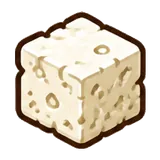
Feta is tangy and crumbly, with a briny kick ideal for salads.
Feta is a brined white cheese from Greece, traditionally made from sheep's milk or a mix of sheep's and goat's milk. It tastes salty, tangy and a little lemony, with a crumbly yet creamy texture.
Cooks love feta because a little goes a long way. It seasons salads, pies and roasted vegetables like a tangy salt, and it loves bright partners: tomato, cucumber, olives, lemon and oregano.
Flavor profile
Aroma: tangy, briny
Good to know
Origin: Greece
Forms: block, crumbled
Season: Available year-round; it is at its most useful in summer with tomatoes, cucumbers and watermelon.
Nutrition: A source of protein and calcium, and fairly high in salt; contains dairy.
Storage: Keep feta submerged in its brine in a sealed container in the fridge. In brine it lasts for several weeks; out of brine, wrapped, it dries out within about a week. If you lose the brine, make your own with about 1 teaspoon of salt per cup of water. Throw it away if it turns slimy, smells sour or grows mould. You can freeze feta for up to 3 months, but it turns more crumbly, so use it for cooking or crumbling.
How to use feta
Crumble on Salads
Crumble feta on salads; its salty tang lifts fresh ingredients and adds a creamy touch.
Bake for Intensity
Bake feta with tomatoes and herbs to enrich tanginess and soften texture.
The science of feta
- Feta is cured in salty brine, which pulls out moisture, firms the curd and keeps spoiling microbes in check. That brine is also where its sharp, salty taste comes from.
- Lactic acid bacteria convert lactose to lactic acid, making feta acidic. The acid tightens its casein network, so feta softens and browns in the oven but never melts into strings.
- Sheep's and goat's milk contain more short-chain fatty acids than cow's milk, which gives traditional feta its distinctive tangy, slightly peppery aroma.
- Soaking feta in fresh water or milk for 10–30 minutes draws out some salt through osmosis, a handy trick when a block tastes too salty.
How to choose feta
Buy feta in a block packed in brine; it is creamier and tastes better than pre-crumbled feta, which dries out and often contains anti-caking powder. Look for PDO Greek feta made from sheep's or goat's milk for the classic flavour. The block should be bright white and moist, with no yellowing.

Substitutes for feta
| Swap | Amount | What changes |
|---|---|---|
| Fresh goat's cheese | 1:1 | Creamier and less salty, with a similar tang. |
| Cotija | 1:1 | Salty, crumbly Mexican cheese; great on salads and beans. |
| Halloumi | 1:1 | Salty brined cheese for grilling; firmer and squeakier. |
| Ricotta salata | 1:1 | Pressed, salted ricotta that crumbles like feta with a milder taste. |
What goes with feta
- Tomato. Tomato's acid and sweetness offset feta's salty tang perfectly.
- Olive. Salty feta and briny olives are a Greek classic, both sharp and fatty.
- Cucumber. Feta gives cucumber a salty, briny contrast.
- Oregano. Oregano’s bitter notes emphasize feta’s tangy brine.
- Beet. Salty, tangy feta contrasts with beet's earthy sweetness.
- Spinach. Salty feta seasons mild spinach, as in Greek spanakopita.
- Mint. Mint's cooling effect balances feta's sharpness.
- Artichoke. Salty, tangy feta contrasts with artichoke's mild bitterness.
- Couscous. Salty, tangy feta contrasts with mild couscous.
- Lemon. Lemon acid cuts feta's salty richness and brightens its tangy, crumbly texture.
Mistakes to avoid
- If too dry, feta loses creaminess.
- Overuse can overpower other flavors.
Ideas for tonight
- Toss in a Greek salad.
- Mix into a spinach pie filling.
- Crumble over roasted vegetables.
Feta: questions
Does feta melt?
Not really. Its acidity keeps the proteins firmly bound, so feta softens, turns creamy and browns in the oven but does not stretch or run like mozzarella.
Can you freeze feta?
Yes, for up to 3 months, drained and well wrapped. Thawed feta is more crumbly, so use it in cooked dishes or crumbled over salads rather than as neat slices.
How do you make feta less salty?
Soak the block in cold water or milk for 10–30 minutes, then pat it dry. Taste as you go, since soaking too long can wash out its flavour.
Is feta made from sheep's milk?
Traditional Greek feta is made from sheep's milk, with up to 30% goat's milk. Many non-Greek fetas are made with cow's milk and taste milder.
What does feta taste like?
Salty, tangy and slightly sour, a bit like a lemony, creamy salt. Sheep's-milk feta is richer and more peppery than cow's-milk versions.
Is feta safe in pregnancy?
Feta made from pasteurised milk is generally considered safe; check the label. Unpasteurised soft cheeses carry a listeria risk, so follow your local health advice.
What goes well with feta?
Feta pairs best with tomato, olive, cucumber, oregano, beet. Tomato's acid and sweetness offset feta's salty tang perfectly.
How do you use feta in cooking?
Crumble on Salads: crumble feta on salads; its salty tang lifts fresh ingredients and adds a creamy touch.
How should you store feta?
Keep submerged in brine or refrigerate in an airtight container.
What is the most common mistake with feta?
If too dry, feta loses creaminess.
 Olive
 Tomato
 Cucumber
 Spinach
 Oregano
 Beet
 Lemon
 Mint