Spinach

Cooked spinach delivers an earthy flavor, perfect in many dishes.
Spinach is the tender, dark green leaf that started out in ancient Persia and now turns up in everything from salads to curries. Raw baby spinach tastes fresh, grassy and gently sweet; mature leaves and cooked spinach lean more earthy and mineral, with a light bitter edge.
Cooks love it because it is fast and forgiving. A huge bag collapses into a silky handful in under a minute, it soaks up butter, cream and garlic, and it slips into eggs, pasta, dal and pies without bossing anything else around.
Flavor profile
Aroma: fresh, grassy
Good to know
Origin: Persia (modern-day Iran)
Forms: fresh, frozen, baby
Season: Spinach is a cool-weather crop at its best in spring and autumn; baby spinach is available year-round.
Nutrition: A leafy green that contributes vitamins and minerals, though its oxalates mean the iron and calcium are not absorbed as easily as the numbers suggest.
Storage: Keep fresh spinach in the fridge in its bag or a container lined with a paper towel to soak up moisture, and use it within 3–5 days. Wash it just before cooking, not before storing, because damp leaves rot quickly. If leaves turn slimy or smell sour, throw them out. To freeze, blanch for 30 seconds, squeeze out the water, and freeze in portions for up to 10 months; frozen spinach is for cooking, not salads.
How to use spinach
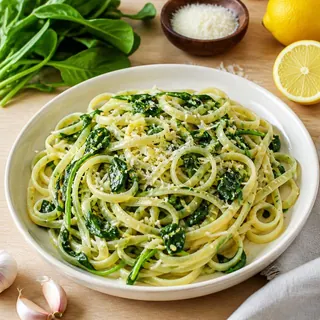
Spinach's Gentle Fall
Heating breaks cell walls, softening texture and shedding oxalic acid.
Spinach Smooth Operator
Blend spinach for nutrients without overpowering your smoothie.
The science of spinach
- Spinach leaves are mostly water held in place by turgor pressure. Heat breaks down the cell membranes, the water rushes out and the leaves collapse, which is why 300 g of raw spinach cooks down to roughly a cupful.
- Spinach contains oxalic acid, which gives cooked spinach that chalky, teeth-coating feel. Dairy helps because calcium binds oxalate, one reason creamed spinach and spinach with cheese feel so smooth.
- Chlorophyll stays bright green with short cooking, but long heat or acid swaps its central magnesium for hydrogen and the leaves turn olive drab. Add lemon right at the end, not during cooking.
- Wilting spinach in a dry or lightly oiled hot pan keeps the released water evaporating fast, so the leaves stay glossy instead of stewing into a watery puddle.
How to choose spinach
Look for perky, deep green leaves with no yellowing, dark wet patches or slimy edges. Baby spinach is tender enough to eat raw; bunched mature spinach has more flavour for cooking but needs a thorough wash to remove grit. Bagged leaves should look dry and loose, not clumped together.

Substitutes for spinach
| Swap | Amount | What changes |
|---|---|---|
| Swiss chard | 1:1 | Similar earthy, mineral taste; chop the stems and cook them a few minutes longer than the leaves. |
| Kale | 1:1 | Heartier and more bitter; strip the stems and cook it a little longer. |
| Frozen spinach | about 300 g fresh per 150 g frozen, squeezed | Perfect for cooked dishes like dips, pies and curries, but squeeze it very dry. |
| Rocket (arugula) | 1:1 in salads | Peppery rather than grassy; best raw or barely wilted. |
What goes with spinach
- Garlic. Garlic's sulfur tones counter spinach's earthy notes.
- Paneer. Spinach's earthy greens and paneer's mild milk flavor make palak paneer, a classic.
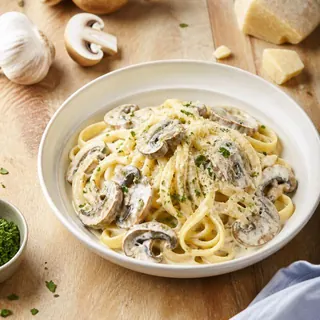
- Cream. Cream's fat coats spinach, softening its bite.
- Feta. Salty feta seasons mild spinach, as in Greek spanakopita.
- Nutmeg. Nutmeg adds warmth to spinach's earthy flavor.
- Lemon. Lemon's acidity perks up spinach, providing a bright contrast to its earthy taste.
- Pine Nut. Spinach's mildness counters pine nut's natural sweetness.
- Ricotta. Spinach's earthiness provides a leafy counterpoint to ricotta’s cream.
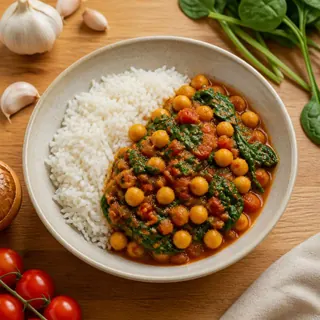
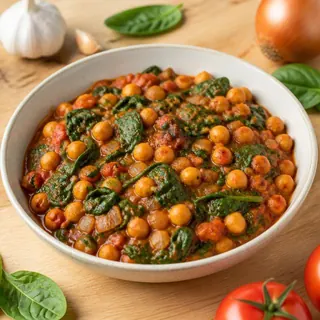
- Chickpea. Spinach's mineral, slightly bitter greens balance chickpea's creamy starch.
- Lentil. Spinach adds mineral greenness to earthy lentils in dal.
Mistakes to avoid
- Too much heat turns spinach leaves to mush.
- Leftover water messes with flavor and texture.
Ideas for tonight
- Spinach salad with nuts
- Creamed spinach
- Spinach and cheese omelette
Spinach: questions
Why does spinach shrink so much when cooked?
Spinach leaves are about 90% water. Heat ruptures the cell walls, the water escapes and the leaves collapse. Plan on a large bag of fresh spinach cooking down to a small side dish.
Can you freeze fresh spinach?
Yes. Blanch it briefly, cool it in ice water, squeeze it dry and freeze in portions. It will be soft once thawed, so use it in cooked dishes rather than salads.
Is baby spinach the same as regular spinach?
It is the same plant, just picked young. Baby spinach is milder and more tender, so it is great raw; mature spinach has bigger, sturdier leaves and a deeper flavour when cooked.
Why does spinach make my teeth feel gritty?
That squeaky, chalky feeling comes from oxalic acid reacting with calcium in your saliva. Cooking spinach with cream, butter or cheese softens the effect.
How do you stop sautéed spinach getting watery?
Use a very hot, wide pan and add the spinach in batches so the water evaporates instead of pooling. Salt at the end, and drain any liquid before serving.
Do you need to wash bagged spinach?
Bags labelled ready-to-eat or triple-washed can be used as they are. Bunched spinach from the market should be swished in a big bowl of cold water and lifted out, since grit sinks to the bottom.
What does spinach taste like?
Cooked spinach delivers an earthy flavor, perfect in many dishes., with an aroma that is fresh, grassy.
What goes well with spinach?
Spinach pairs best with garlic, paneer, cream, feta, nutmeg. Garlic's sulfur tones counter spinach's earthy notes.
How do you use spinach in cooking?
Spinach's Gentle Fall: heating breaks cell walls, softening texture and shedding oxalic acid.
How should you store spinach?
Refrigerate fresh spinach in a sealed bag, consuming within a few days.
What is the most common mistake with spinach?
Too much heat turns spinach leaves to mush.
 Kale
 Garlic
 Feta
 Cream
 Nutmeg
 Ricotta
 Broccoli