
Ricotta
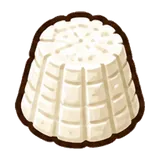
Ricotta is creamy and mild, adding moisture to both sweet and savory meals.
Ricotta is a soft, fresh Italian cheese, traditionally made by reheating the whey left over from making other cheeses. Its name means re-cooked. It tastes mild, milky and faintly sweet, with a soft, fluffy, slightly grainy texture.
Cooks love ricotta because it swings both ways. It binds and lightens savoury fillings for ravioli, lasagne and stuffed vegetables, and it turns into cheesecake, cannoli and pancakes with a little sugar, lemon or honey.
Flavor profile
Aroma: milky
Good to know
Origin: Italy
Forms: fresh
Season: Available year-round; fresh ricotta pairs especially well with spring peas and summer peaches and strawberries.
Nutrition: A source of protein; whole-milk ricotta is richer, part-skim is lighter. Contains dairy.
Storage: Keep ricotta in its sealed tub in the coldest part of the fridge. Once opened, use it within 5–7 days, and always scoop it with a clean spoon. Yellowing, a sour smell or mould mean it is time to throw it out. Ricotta can be frozen for up to 2 months, but it turns grainy, so use thawed ricotta in baked dishes like lasagne or muffins rather than fresh spreads.
How to use ricotta
Enhance Pasta Dishes
Use ricotta in pasta fillings like ravioli; its creaminess binds with other ingredients.
Spread on Toast
Top toast with ricotta and fruit or honey for a creamy, refreshing snack.
The science of ricotta
- Ricotta is made mostly from whey proteins, not casein. Heat plus a little acid makes these proteins unfold and clump into delicate curds, which is why ricotta is so soft.
- Because those curds are held together loosely, ricotta weeps liquid as it sits or bakes. Draining it in a sieve for an hour concentrates the curds and stops watery lasagne.
- Ricotta does not melt or stretch like mozzarella. Its proteins are already set, so in the oven it firms and puffs slightly instead of turning runny.
- Its fat and mild lactose sweetness carry other flavours well, so lemon zest, vanilla, nutmeg and herbs come through clearly in ricotta mixtures.
How to choose ricotta
Look for whole-milk ricotta with few ingredients, ideally just milk or whey, salt and an acid or culture. Thick, creamy ricotta from a deli or cheese shop beats watery tubs with gums. Check that it smells fresh and sweet, never sour.

Substitutes for ricotta
| Swap | Amount | What changes |
|---|---|---|
| Cottage cheese, blended | 1:1 | Blitz until smooth, then drain; slightly saltier and tangier. |
| Mascarpone | 1:1 | Much richer and smoother; best for desserts. |
| Fresh goat's cheese | use half as much | Tangier and denser; loosen with a little milk or cream. |
| Crumbled paneer, mashed | 1:1 | Similar fresh curd taste, but firmer; works in fillings. |
What goes with ricotta
- Pasta. Ricotta's mild creaminess coats pasta in stuffed shapes and sauces.
- Lemon. Lemon's acidity lifts ricotta's creamy texture.
- Honey. Honey's sweetness accentuates ricotta's mild, milky flavor.
- Spinach. Spinach's earthiness provides a leafy counterpoint to ricotta’s cream.
- Nutmeg. Nutmeg adds warm spice to ricotta’s gentle sweetness.
- Tomato. Tomato adds a juicy, acidic counterpoint to ricotta's softness.
- Basil. Basil adds fresh, peppery aroma to mild, creamy ricotta.
- Peach. Ricotta's mild creaminess balances peach's sweet juice.
- Peas. Ricotta's mild creaminess balances peas' sweetness.
- Pistachio. Ricotta's soft milky sweetness gives crunchy pistachio something creamy to push against.
Mistakes to avoid
- Spoiled ricotta tastes sour.
- Excess liquid not drained results in watery dishes.
Ideas for tonight
- Bake a ricotta cheesecake.
- Layer in lasagna.
- Top pizza with dollops of fresh ricotta.
Ricotta: questions
Do you need to drain ricotta?
For fillings, lasagne and cheesecake, yes. Spoon it into a sieve lined with kitchen paper and leave it in the fridge for 1–2 hours to stop the dish turning watery.
Can you freeze ricotta?
Yes, for up to 2 months, but it becomes grainy when thawed. Stir it well and use it in cooked dishes like baked pasta or pancakes rather than as a fresh spread.
Is ricotta the same as cottage cheese?
No. Cottage cheese has bigger, saltier curds in a creamy liquid and is made from casein. Ricotta is finer, smoother and sweeter, made mostly from whey proteins.
What does ricotta taste like?
Mild, milky and gently sweet, with a light, fluffy texture. Good fresh ricotta tastes like rich, slightly thickened milk.
How do you make ricotta at home?
Heat whole milk to about 85°C (185°F), stir in lemon juice or vinegar, and let it rest until curds form. Ladle them into a cloth-lined sieve and drain to the thickness you like.
Can you eat ricotta raw?
Yes. Shop ricotta is made from pasteurised milk and is ready to eat straight from the tub, on toast, with fruit or stirred into pasta.
What goes well with ricotta?
Ricotta pairs best with pasta, lemon, honey, spinach, nutmeg. Ricotta's mild creaminess coats pasta in stuffed shapes and sauces.
How do you use ricotta in cooking?
Enhance Pasta Dishes: use ricotta in pasta fillings like ravioli; its creaminess binds with other ingredients.
How should you store ricotta?
Keep refrigerated and consume by the expiration date.
What is the most common mistake with ricotta?
Spoiled ricotta tastes sour.
 Pasta
 Spinach
 Lemon
 Honey
 Basil
 Peach
 Mozzarella
