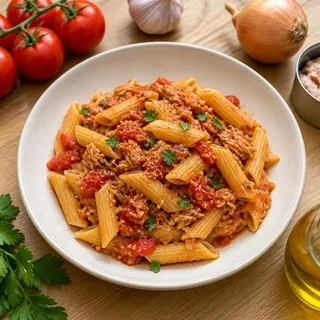
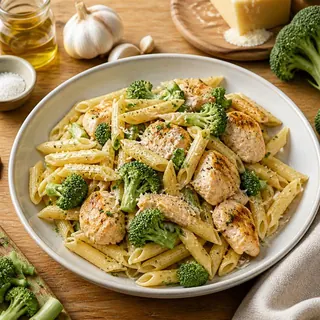
Pasta
Also called noodles

Pasta provides substance and carries flavors from sauces well.
Pasta is a dough of wheat flour, usually durum semolina, and water or egg, shaped and either cooked fresh or dried. It tastes mild, wheaty and gently sweet, which is exactly why it suits so many sauces.
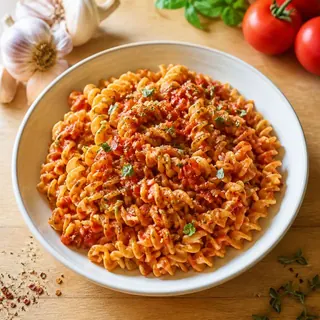
Cooks love pasta because it is fast, cheap and endlessly flexible. Its starch helps sauces cling, and its shapes are designed for different jobs: ribbons for creamy sauces, tubes and twists for chunky ones, tiny shapes for soup.
Flavor profile
Aroma: neutral, starchy
Good to know
Origin: Italy
Forms: spaghetti, penne, fettuccine
Season: Available year-round; match it to the season with spring peas, summer tomatoes and basil, and autumn mushrooms.
Nutrition: Mainly starchy carbohydrate with some protein; wholewheat pasta adds fibre. Contains gluten, and egg pasta contains egg.
Storage: Store dried pasta in a sealed container in a cool, dry cupboard, where it keeps for 1–2 years. Fresh pasta lasts 2–3 days in the fridge or up to 2 months in the freezer, and can be cooked from frozen. Cooked pasta should be cooled and refrigerated within 2 hours and eaten within 3–5 days. Cooked pasta freezes for up to 2 months, best mixed with a little sauce or oil to stop it sticking. Discard dried pasta if it smells musty or shows signs of pantry pests.
How to use pasta
Al Dente Mastery
Firm gluten holds sauce, keeps pasta from going mushy.
Perfect Toss
Add sauce off-heat to stabilize thanks to starch.
The science of pasta
- Durum wheat has strong gluten proteins that hold pasta together as starch inside absorbs water and softens. That firm protein network is what gives pasta its al dente bite.
- As pasta boils, starch granules on the surface gelatinise and some escape into the water. That cloudy, starchy water helps oil and water in a sauce emulsify, so it turns glossy and clings.
- Salt in the water seasons pasta from the inside as it absorbs liquid. About 10 g of salt per litre of water (roughly 1 tablespoon per 4 litres) gives well-seasoned pasta.
- Finishing pasta in the sauce for the last minute lets it soak up flavour while its surface starch thickens the sauce. Rinsing washes that starch away, so only rinse pasta for cold salads.
- Cooled cooked pasta firms up as its starch retrogrades, which is why leftover pasta can taste firmer and why pasta salads are best dressed while still slightly warm.
How to choose pasta
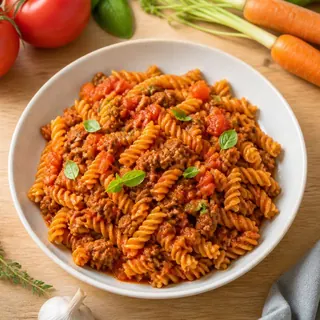
Dried pasta made from 100% durum wheat semolina holds its shape best; bronze-cut pasta has a rough, matte surface that grips sauce. Fresh egg pasta is tender and rich, ideal for butter and cream sauces and filled shapes. Pick the shape to match the sauce: long strands for smooth sauces, ridged tubes for chunky ragù.

Substitutes for pasta
| Swap | Amount | What changes |
|---|---|---|
| Gluten-free pasta (rice, corn or legume) | 1:1 | Cook a minute less and watch closely; it turns mushy faster. |
| Courgette (zucchini) noodles | about 1 medium per 50 g dried pasta | Light and fresh; toss with hot sauce rather than boiling. |
| Rice noodles | 1:1 by weight | Great with Asian-style sauces; soak or boil briefly. |
| Couscous or orzo-sized grains | 1:1 by weight | Works for soups and pasta salads. |
What goes with pasta
- Tomato. Tomato's acidity breaks through pasta's starchiness, a foundational pairing.
- Parmesan. Parmesan's glutamate provides savory umami to pasta's starch.
- Basil. Basil's aroma shares eugenol with tomato and pairs with pasta's bland base.
- Cheddar. Sharp cheddar melts into a creamy sauce over mild pasta.
- Mozzarella. Melting mozzarella gives stretch and mild creaminess to baked pasta.
- Ricotta. Ricotta's mild creaminess coats pasta in stuffed shapes and sauces.
- Garlic. Garlic's pungent aroma contains allicin, adding an earthy sharpness.
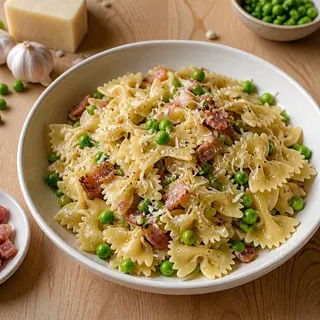
- Peas. Pasta takes up liquid while peas add sweetness to the dish.
- Anchovy. Melted anchovy turns plain pasta into a salty, savory sauce with just oil and garlic.
- Black pepper. Cracked pepper adds a sharp bite to rich, starchy pasta.
Mistakes to avoid
- Salt is necessary to avoid blandness.
- Overcooking weakens gluten, losing sauce.
Ideas for tonight
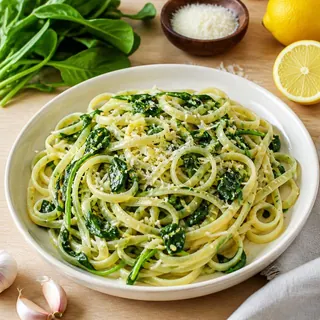
- Spaghetti aglio e olio
- Pasta primavera
- Meatball and penne bake
Pasta: questions
How much salt should I put in pasta water?
About 10 g per litre, roughly 1 tablespoon per 4 litres of water. The water should taste pleasantly seasoned, like a well-salted soup, not like the sea.
What does al dente mean?
Italian for to the tooth: cooked through but still with a slight firm bite in the centre. Start tasting 1–2 minutes before the packet time.
Should you add oil to pasta water?
No need. Oil floats on top and does little to stop sticking. Use plenty of water, stir in the first couple of minutes, and the pasta will not clump.
Why save pasta water?
Its dissolved starch helps sauces emulsify and cling to the pasta. Add a splash when tossing pasta with sauce to make it silky instead of oily or dry.
Can you freeze cooked pasta?
Yes, for up to 2 months. Slightly undercook it, toss with a little oil or sauce, freeze flat, then reheat in sauce or a quick dip in boiling water.
Is fresh pasta better than dried?
Neither is better; they do different jobs. Fresh egg pasta is tender and rich for butter and cream sauces, while dried pasta has a firmer bite that suits tomato, oil and chunky sauces.
What does pasta taste like?
Pasta provides substance and carries flavors from sauces well., with an aroma that is neutral, starchy.
What goes well with pasta?
Pasta pairs best with tomato, parmesan, basil, cheddar, mozzarella. Tomato's acidity breaks through pasta's starchiness, a foundational pairing.
How do you use pasta in cooking?
Al Dente Mastery: firm gluten holds sauce, keeps pasta from going mushy.
How should you store pasta?
Store dried pasta in a cool, dry place; cooked pasta should be refrigerated and used within a couple of days.
What is the most common mistake with pasta?
Salt is necessary to avoid blandness.
 Tomato
 Parmesan
 Basil
 Garlic
 Olive oil
 Mozzarella
 Ricotta
 Flour