Broccoli
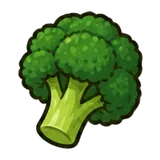
Broccoli brings fibrous texture and a slightly bitter, earthy taste.
Broccoli is a brassica, a cousin of cabbage and cauliflower, bred in the Mediterranean for its tight clusters of green flower buds. It tastes fresh and grassy with a light bitter, cabbage-like edge and a quiet sweetness that comes forward when it browns.
Cooks love how much it changes with method. Steam it and you get juicy, bright green florets; roast it hot and the tips go crisp, nutty and almost sweet. It also loves cheese, garlic and lemon, so it is an easy weeknight win.
Flavor profile
Aroma: fresh, cabbage-like
Good to know
Origin: Mediterranean
Forms: fresh, frozen, florets, stems
Season: Broccoli is at its best in the cooler months of autumn and early spring, but it is available year-round.
Nutrition: A vegetable that contributes fibre and vitamins to a meal.
Storage: Store broccoli unwashed in a loose or perforated bag in the fridge crisper drawer and use it within 5–7 days. Signs it is going off include yellowing florets, a soft stalk, dark spots or a strong cabbage smell. To freeze, cut into florets, blanch for 2–3 minutes, chill in ice water, dry well and freeze flat on a tray before bagging; it keeps for about 12 months. Cook frozen broccoli straight from the freezer.
How to use broccoli
Steam Power
Preserve color and soften structure. Steam broccoli.
Get Roasting
Browning reactions up the sweetness and flavor complexity.
The science of broccoli
- Broccoli's bite comes from glucosinolates. When the florets are cut or chewed, the enzyme myrosinase turns them into pungent sulphur compounds, which give that faint mustardy edge.
- Overcooking breaks down sulphur compounds further into hydrogen sulphide and other stinky molecules. That is why broccoli boiled for 10 minutes smells like old eggs; 3–5 minutes of steaming avoids it.
- The brilliant green of briefly cooked broccoli comes from chlorophyll that is easier to see once air is driven out of the tissue. Long cooking or acid converts chlorophyll to olive-brown pheophytin, so add lemon just before serving.
- Roasting at 220°C (425°F) drives off surface water so the Maillard reaction and caramelisation can brown the florets, building nutty, sweet flavours that steaming never reaches.
How to choose broccoli
Pick heads with tight, firm, deep green buds; yellow flowers mean it is past its best. The stalk should feel firm and heavy, not rubbery or hollow. A purple tinge on the buds is fine and just a sign of cool growing weather.

Substitutes for broccoli
| Swap | Amount | What changes |
|---|---|---|
| Broccolini | 1:1 | Sweeter and more tender, with long edible stems; cooks a little faster. |
| Cauliflower | 1:1 | Milder and nuttier, roasts beautifully; you lose the green colour. |
| Green beans | 1:1 | A good stand-in for stir-fries and side dishes when you want a fresh, green crunch. |
| Brussels sprouts | 1:1, halved | Same brassica bite and roasts just as well; slightly more bitter. |
What goes with broccoli
- Cheddar. Cheddar's salty, sharp richness softens broccoli's bitter edge.
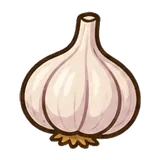
- Garlic. Garlic's sulfur sweetness balances broccoli's slight bitterness.
- Parmesan. Parmesan's salty umami and roasted broccoli's browned edges suit each other.
- Lemon. Lemon's acidity highlights broccoli's natural sweetness and crispness.
- Olive oil. Olive oil's fat highlights broccoli's subtle sweetness.
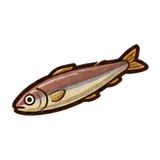
- Anchovy. Anchovy's salt and umami tame the faint bitterness of broccoli.
- Nutritional Yeast. Nutritional yeast adds savory depth to roasted broccoli.
- Potato. Mild brassica and mild starch sit fine together, but neither adds contrast.
Mistakes to avoid
- Overcook it, and the green fades to gray.
- Nutrient loss might beat exposure to air.
Ideas for tonight
- Broccoli stir fry
- Roasted broccoli with garlic
- Broccoli cheese soup
Broccoli: questions
Can you eat broccoli stems?
Yes, and they are delicious. Peel away the tough outer skin, then slice the tender core into coins or sticks for stir-fries, slaws or roasting alongside the florets.
How long should you steam broccoli?
About 4–5 minutes for florets, until a knife slides in with a little resistance and the colour is bright green. Go longer and it turns soft and starts to smell sulphurous.
Why does broccoli smell bad when cooked?
Broccoli contains sulphur compounds that break down into smelly molecules the longer it cooks. Short cooking, or high-heat roasting, keeps the smell down and the flavour sweet.
Can you freeze fresh broccoli?
Yes. Blanch the florets for 2–3 minutes, chill in ice water, dry them and freeze. Blanching stops enzymes that would otherwise make it taste stale and dull its colour.
How do you make roasted broccoli crispy?
Dry the florets well, toss with plenty of oil and salt, and spread them out on a hot tray at 220°C (425°F) so they are not crowded. Roast for 20–25 minutes, until the tips are deeply browned.
Is purple broccoli the same as green broccoli?
Purple sprouting broccoli is a close relative with thinner stems and purple buds that turn green when cooked. It tastes a little sweeter and cooks faster.
What does broccoli taste like?
Broccoli brings fibrous texture and a slightly bitter, earthy taste., with an aroma that is fresh, cabbage-like.
What goes well with broccoli?
Broccoli pairs best with cheddar, garlic, parmesan, lemon, olive oil. Cheddar's salty, sharp richness softens broccoli's bitter edge.
How do you use broccoli in cooking?
Steam Power: preserve color and soften structure. Steam broccoli.
How should you store broccoli?
Refrigerate in a plastic bag to retain moisture and freshness, using within a week.
What is the most common mistake with broccoli?
Overcook it, and the green fades to gray.
 Cauliflower
 Cabbage
 Kale
 Cheddar
 Garlic
 Parmesan
 Lemon
 Anchovy