
Kale
Also called leaf cabbage
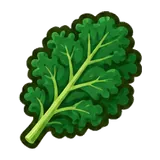
Kale offers a hearty texture and slight bitterness, adding nutrients and volume.
Kale is a hardy, leafy member of the cabbage family that grows without forming a head. It tastes earthy, green and noticeably bitter, with a peppery edge and a chewy, sturdy texture that stands up to long cooking.
Cooks love it because it does not wilt into nothing. Massage it raw with lemon for salads, braise it into soups and beans, sauté it with garlic, or bake it into crunchy chips that disappear fast.
Flavor profile
Aroma: earthy, green
Good to know
Origin: Mediterranean
Forms: fresh, baby kale, powdered
Season: Kale is a cool-season crop that tastes sweetest after a frost, peaking from autumn through early spring; it is available year-round.
Nutrition: A leafy green that adds fibre, vitamins and minerals to meals.
Storage: Wrap unwashed kale loosely in a paper towel inside a bag and keep it in the fridge crisper for 5–7 days. Yellow or slimy leaves and a strong cabbage smell mean it is going off. To freeze, strip the stems, blanch the leaves for 2 minutes, chill, squeeze dry and freeze for up to 8–12 months; use frozen kale in soups, smoothies and sautés. Kale can be frozen raw for smoothies, but it will taste more bitter.
How to use kale
The Bitter End
Steaming or blanching tames bitterness by breaking down glucosinolates.
Crisp Kale
Low heat evaporates moisture without burning, keeping kale earthy.
The science of kale
- Kale's bitterness and peppery bite come from glucosinolates, which break down into sharp sulphur compounds when the leaves are cut or chewed. Brief blanching or steaming tames them noticeably.
- Massaging raw kale with salt, oil and acid physically bruises and breaks some cell walls, so the leaves soften, darken and taste less bitter, perfect for raw salads.
- The stems are tough because they are rich in fibre and lignin, which do not soften much with cooking. Strip them out, or slice them thinly and cook them first.
- Kale chips crisp because low oven heat, around 150°C (300°F), evaporates water from the thin leaves before the edges burn. Dry the leaves well first, or they steam instead of crisping.
How to choose kale
Look for deep green or blue-green leaves that are crisp and perky, with no yellowing, holes or wilted edges. Smaller leaves are more tender and less bitter. Curly kale is great for chips; lacinato (cavolo nero) is flatter and sweeter, ideal for soups and salads.

Substitutes for kale
| Swap | Amount | What changes |
|---|---|---|
| Swiss chard | 1:1 | Milder and more tender; cooks faster, so add it later. |
| Collard greens | 1:1 | Just as sturdy and slightly milder; great for long braises. |
| Spinach | 1:1 by weight | Much softer and milder; wilts in seconds and shrinks more. |
| Savoy cabbage | 1:1 | Similar brassica flavour with a crinkly, tender leaf for soups and stews. |
What goes with kale
- Lemon. Lemon softens kale's tough texture with its bright acidity.
- Olive oil. Olive oil coats kale, taming its bitterness slightly.
- Parmesan. Parmesan adds a salty, umami punch that lifts kale.
- Ginger. Ginger's warmth contrasts sharply with kale's bitterness.
- Anchovy. Anchovy's salt and umami tame kale's bitterness, as in Caesar-style kale salads.
- Bacon. Bacon's fat and smoke soften kale's bitterness as it wilts.
- Lentil. Hearty kale holds up in soups with earthy lentils.
- Mushroom. Earthy mushroom matches kale's mineral, slightly bitter greens.
- Pine Nut. Rich pine nuts soften kale's bitterness with buttery crunch.
- Potato. Starchy potato softens kale's bitterness in soups like caldo verde.
Mistakes to avoid
- Stems are tough due to lignin.
- Adding early breaks down chlorophyll, fading color.
Ideas for tonight
- Saute with garlic and oil.
- Add to smoothies for a nutrient boost.
- Bake into seasoned chips.
Kale: questions
Do you need to massage kale?
For raw salads, yes. Rubbing the leaves with a little salt, oil and lemon for a minute or two softens them, darkens their colour and tames the bitterness.
Can you eat kale stems?
Yes, but they are tough. Slice them very thinly and cook them a few minutes before adding the leaves, or blend them into smoothies and pesto.
How do you make kale less bitter?
Blanch it briefly, cook it with fat like olive oil or bacon, and finish with salt and acid such as lemon. Younger leaves and lacinato kale are naturally less bitter.
How do you make kale chips crispy?
Dry the leaves completely, toss with a little oil and salt, spread in a single layer and bake at 150°C (300°F) for 15–20 minutes. Watch them closely at the end so they do not scorch.
Can you freeze kale?
Yes. Blanch it for 2 minutes, chill, squeeze dry and freeze in portions. Use it in soups, stews and smoothies straight from the freezer.
Is cavolo nero the same as kale?
Cavolo nero, also called lacinato or Tuscan kale, is one type of kale. It has long, dark, bumpy leaves and a slightly sweeter, earthier flavour than curly kale.
What does kale taste like?
Kale offers a hearty texture and slight bitterness, adding nutrients and volume., with an aroma that is earthy, green.
What goes well with kale?
Kale pairs best with lemon, olive oil, parmesan, ginger, anchovy. Lemon softens kale's tough texture with its bright acidity.
How do you use kale in cooking?
The Bitter End: steaming or blanching tames bitterness by breaking down glucosinolates.
How should you store kale?
Refrigerate kale in a sealed plastic bag and use within a week for best quality.
What is the most common mistake with kale?
Stems are tough due to lignin.
 Spinach
 Cabbage
 Broccoli
 Garlic
 Lemon
 Anchovy
 Bacon
 Lentil
