
Eggplant
Also called aubergine

Eggplant takes up flavors and maintains firm texture if cooked right.
Eggplant, known as aubergine in the UK and France, is a glossy member of the nightshade family first cultivated in India. Raw, it is spongy and bland with a faint bitterness; cooked properly, it turns creamy, mellow, earthy and gently sweet.
Cooks love it because it soaks up flavour like nothing else. Char it whole for smoky baba ganoush, layer it with cheese in parmigiana, braise it with soy and chilli, or roast it with tahini and za'atar.
Flavor profile
Aroma: earthy, mellow
Good to know
Origin: India
Forms: fresh, grilled, roasted
Season: Eggplant is a summer crop at its best from July to October, though it is available year-round.
Nutrition: A light vegetable that adds fibre and bulk to dishes; it soaks up oil easily, so how you cook it shapes the dish.
Storage: Eggplant dislikes cold, so keep it at cool room temperature and use within 2–3 days, or refrigerate in the crisper for up to a week if needed. Too long in the fridge causes pitting, brown flesh and a bitter taste. Brown, mushy spots or a wrinkled skin mean it is past its best. Raw eggplant freezes poorly, but roasted or grilled slices and dips freeze well for up to 3 months.
How to use eggplant
Bitterness Be Gone
Salting reduces bitterness and excess moisture.
Smoky Goodness
Charring causes pyrolysis, adding smoky flavors.
The science of eggplant
- Eggplant flesh is full of tiny air pockets, which is why raw eggplant feels like a sponge and soaks up oil so fast. As it cooks, the cells collapse, the air escapes, and it releases some oil back while turning silky.
- Salting draws out water by osmosis and partly collapses those air pockets, so the flesh absorbs less oil. Modern varieties are much less bitter than older ones, so salting is now mostly about texture.
- Charring the skin directly over a flame or under a grill causes pyrolysis, creating smoky aroma compounds that soak into the soft flesh. This is the secret to baba ganoush and Indian baingan bharta.
- Cut eggplant browns quickly because polyphenol oxidase reacts with phenolic compounds in the flesh when exposed to air. Cut it just before cooking, or brush with lemon if it must wait.
How to choose eggplant
Choose eggplants that feel heavy for their size with tight, shiny skin and a fresh green cap. Press gently: the flesh should spring back. Smaller ones have fewer seeds and are less bitter; dull, wrinkled skin or soft brown patches mean it is old.

Substitutes for eggplant
| Swap | Amount | What changes |
|---|---|---|
| Zucchini | 1:1 | Milder and more watery; works in ratatouille, grills and bakes, but will not go as creamy. |
| Portobello mushrooms | 1:1 | Meaty, savoury and absorbent; great in stir-fries, burgers and bakes. |
| Smoked tofu or firm tofu | 1:1 in stir-fries | Soaks up sauces in a similar way, with a firmer texture. |
What goes with eggplant
- Garlic. Garlic's intense aroma seeps into eggplant's porous flesh.
- Tahini. Nutty tahini enriches smoky charred eggplant, the base of baba ganoush.
- Bell Pepper. Sweet roasted pepper balances eggplant's mild bitterness, as in ratatouille and caponata.
- Mozzarella. Melting mozzarella adds creamy richness to eggplant's soft, bland flesh, as in parmigiana.
- Parmesan. Parmesan's salty umami seasons eggplant's neutral flesh and browns into a savory crust.
- Olive oil. Eggplant soaks up olive oil, transforming it into creamy richness.
- Tomato Paste. Tomato paste intensifies eggplant’s umami and sweetness.
- Basil. Basil's aroma lightens eggplant's deeper taste.
- Miso. Miso's umami amplifies eggplant’s savory side.
- Lamb Shoulder. Eggplant's spongy flesh soaks up rendered lamb fat, the idea behind moussaka.
Mistakes to avoid
- Skipping the salt step leaves eggplant bitter.
- Spongy texture takes up too much oil, making dishes greasy.
Ideas for tonight
- Grill for a smoky taste.
- Cube and add to hearty stews.
- Roast and mash for a creamy dip.
Eggplant: questions
Do you need to salt eggplant before cooking?
Not always. Today's eggplants are rarely very bitter, but salting for 30 minutes and patting dry does help the slices absorb less oil and fry up creamier. For roasting or charring whole, you can skip it.
Is eggplant the same as aubergine?
Yes. Eggplant is the North American and Australian name; aubergine is used in the UK, Ireland and France. Same vegetable.
Can you eat eggplant skin?
Yes. The skin is edible and softens well when roasted, fried or braised. On large, older eggplants it can be tough, so peel it in strips if you like.
How do you know when eggplant is cooked?
It should be completely soft and creamy all the way through, with no white, spongy patches. Undercooked eggplant is squeaky and rubbery, so give it more time rather than less.
Why does eggplant soak up so much oil?
Its flesh is full of air pockets that fill with oil like a sponge. Salting first, roasting instead of frying, or brushing oil on rather than pouring it in all help.
Should eggplant be stored in the fridge?
It keeps best at cool room temperature for a couple of days. If you need longer, refrigerate it, but use it within a week because cold damages its texture.
What does eggplant taste like?
Eggplant takes up flavors and maintains firm texture if cooked right., with an aroma that is earthy, mellow.
What goes well with eggplant?
Eggplant pairs best with garlic, tahini, bell pepper, mozzarella, parmesan. Garlic's intense aroma seeps into eggplant's porous flesh.
How do you use eggplant in cooking?
Bitterness Be Gone: salting reduces bitterness and excess moisture.
How should you store eggplant?
Store at room temperature for a few days, or refrigerate if longer storage is needed.
What is the most common mistake with eggplant?
Skipping the salt step leaves eggplant bitter.
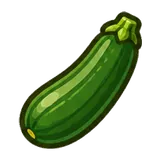 Zucchini
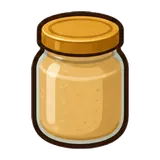 Tahini
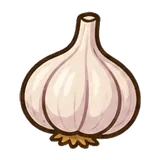 Garlic
 Tomato
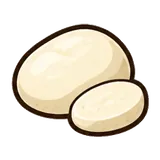 Mozzarella
 Miso
 Bell Pepper
 Yogurt
