
Tahini
Also called sesame seed paste
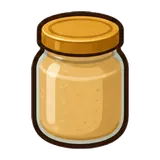
Tahini is a sesame seed paste adding rich, nutty flavor to Middle Eastern dishes.
Tahini is a smooth paste made from ground sesame seeds, usually hulled and lightly toasted. It is a staple across the Middle East and the Eastern Mediterranean, best known as the secret to silky hummus and the creamy sauce drizzled over falafel.
It tastes nutty, toasty and earthy, with a gentle bitterness that keeps it from feeling heavy. Cooks love it because it swings both ways: whisk it with lemon and garlic for a savoury sauce, or stir it with honey or date syrup for cookies, brownies and halva.
Flavor profile
Aroma: nutty, toasty
Good to know
Origin: Middle East
Forms: paste
Season: Available year-round as a pantry staple.
Nutrition: Rich in fat and calories, with some protein and minerals. Sesame is a major allergen, so label dishes that contain it.
Storage: Unopened tahini keeps for about a year in a cool, dark cupboard. Once opened, it is fine in the pantry for a few months, or up to six months or more in the fridge, though it will thicken in the cold. Stir it well every time, and store the jar upside down for a day before opening to help the oil mix back in. If it smells sharp, painty or sour, or tastes unpleasantly bitter, it has gone rancid. Mixed tahini sauce with lemon and garlic keeps about five days in the fridge.
How to use tahini
Dressings with Depth
Mix tahini with lemon juice to alter texture and enhance sesame flavors.
Nutty Hummus
In hummus, tahini's oils work with chickpea proteins to create creaminess.
The science of tahini
- Tahini is roughly half sesame oil, with the rest mostly protein and fibre from the seeds. Left standing, the heavier solids sink and the oil rises, so a new jar always needs a long, thorough stir.
- Add a little lemon juice or water and tahini suddenly turns thick and clumpy, almost seized. The seed proteins and fibres soak up the liquid and swell. Keep whisking in more water and it loosens into a smooth, creamy emulsion.
- The toasty flavour comes from the Maillard reaction when the seeds are roasted. Lightly roasted tahini is pale and mild, while darker roasts taste stronger and more bitter.
- Hulled tahini is made from seeds with their outer husk removed, giving a smoother, milder paste. Unhulled tahini keeps the husk, so it is darker, grittier and more bitter.
- Sesame contains natural antioxidants such as sesamol, which help tahini resist rancidity, but its high oil content means it will still go stale with time, heat and light.
How to choose tahini
Look for tahini made from 100% sesame, ideally hulled, with a pourable, runny texture once stirred. Middle Eastern brands are often smoother and milder than thick, stiff jars. Avoid jars with a hard, dry layer at the bottom that won't stir back in.

Substitutes for tahini
| Swap | Amount | What changes |
|---|---|---|
| Sunflower seed butter | 1:1 | Nutty and creamy, and a good sesame-free option. It can turn green in baking with baking soda, which is harmless. |
| Cashew butter | 1:1 | Milder and sweeter, great in dressings and hummus. Not suitable for tree nut allergies. |
| Smooth peanut butter | Use about three-quarters as much | Stronger and sweeter, so it works best in sauces and baking rather than classic hummus. |
| Greek yogurt + toasted sesame oil | 3 tbsp yogurt + ½ tsp sesame oil per 3 tbsp tahini | A quick fix for drizzling sauces, with a tangier, lighter feel. |
What goes with tahini
- Lemon. Lemon's acidity brightens tahini's nutty, creamy flavors.
- Chickpea. Tahini's nutty richness and chickpea's creamy starch blend into hummus.
- Eggplant. Nutty tahini enriches smoky charred eggplant, the base of baba ganoush.
- Garlic. Garlic adds a pungent note to tahini’s nuttiness.
- Parsley. Parsley’s freshness lightens tahini’s dense nuttiness.
- Cumin. Cumin's earthiness deepens tahini’s nuttiness.
- Honey. Honey's sweetness offsets tahini's slight bitterness.
- Carrot. Nutty, bitter tahini balances carrot's sweetness.
- Cauliflower. Nutty tahini and roasted cauliflower's browned sweetness suit each other.
- Pumpkin. Nutty tahini and sweet roasted pumpkin make a Middle Eastern dip.
Mistakes to avoid
- Unstirred tahini gives uneven flavor.
- High oil content can overwhelm if unbalanced.
Ideas for tonight
- Swirl into hummus for a silky finish.
- Mix with molasses for a sweet treat.
- Use in cookies as a butter replacement.
Tahini: questions
What does tahini taste like?
Tahini tastes like toasted sesame seeds: nutty, rich and earthy, with a gentle bitterness. On its own it is not sweet, which is why it is usually mixed with lemon, garlic and salt, or with honey for sweets.
Why does tahini get thick when I add lemon juice?
The proteins and fibres in ground sesame absorb the first splash of liquid and swell, so the paste tightens and looks seized. Keep whisking in cold water a spoonful at a time and it turns smooth, pale and creamy.
Does tahini go bad?
Eventually, yes. The oil slowly goes rancid, giving a painty or sour smell and harsh bitterness. Stored in the fridge after opening, a jar usually lasts six months or more.
Do you need to refrigerate tahini?
Not strictly, but the fridge keeps it fresh longer. Cold tahini is thicker and harder to stir, so let it sit at room temperature for a few minutes before using.
Is tahini the same as sesame paste?
Close, but not identical. Chinese sesame paste is made from deeply toasted, often unhulled seeds, so it is darker and stronger. Tahini is usually lighter and milder.
What can I use instead of tahini in hummus?
Sunflower seed butter or cashew butter are the closest swaps. You can also leave it out and add extra olive oil and lemon; the hummus will be lighter but still good.
What goes well with tahini?
Tahini pairs best with lemon, chickpea, eggplant, garlic, parsley. Lemon's acidity brightens tahini's nutty, creamy flavors.
How do you use tahini in cooking?
Dressings with Depth: mix tahini with lemon juice to alter texture and enhance sesame flavors.
How should you store tahini?
Store in a cool place; refrigerate for longer shelf life.
What is the most common mistake with tahini?
Unstirred tahini gives uneven flavor.
 Chickpea
 Eggplant
 Lemon
 Garlic
 Sesame Seed
 Sesame Oil
 Honey
