
Pumpkin

Pumpkins offer sweet, earthy flavors for desserts and mains.
Pumpkin is a winter squash with thick, bright orange flesh, a hollow centre full of seeds, and a hard rind that keeps it fresh for months. Its flavour is sweet and earthy, a little nutty, and mild enough to go savoury or sweet. Roasting concentrates it; boiling dilutes it.
Cooks love it for its range. It roasts into caramelised wedges, blends into velvety soup, bakes into pies and muffins, fills ravioli, and stews happily in curries. It also has a famous friendship with warm spices like cinnamon and nutmeg, and with savoury herbs like sage.
Flavor profile
Aroma: sweet, earthy
Good to know
Origin: North America
Forms: whole, puree
Season: Pumpkin season runs from early autumn to early winter; canned purée is available year-round.
Nutrition: A colourful vegetable that adds fibre and carotenoids to a meal, mostly as carbohydrate with very little fat.
Storage: A whole, uncut pumpkin keeps for 1–3 months in a cool, dry, airy place around 10–15°C (50–60°F); keep it off cold stone floors and away from apples, which give off ethylene. Once cut, wrap the pieces and refrigerate for up to 5 days. Homemade or opened canned purée lasts 5–7 days in a sealed container in the fridge. Freeze purée or roasted chunks for up to 6 months. Throw out pumpkin that is soft, slimy, mouldy or smells sour.
How to use pumpkin
Baking Friend
Pumpkin puree adds moisture, binding batters, and melds with spices in baking.
Savory Roasts
Roast pumpkin to caramelize sugars and soften fibers, creating a creamy base.
The science of pumpkin
- Pumpkin's orange colour comes from beta-carotene and other carotenoids. They are fat-soluble, so cooking pumpkin with butter or oil carries both colour and flavour, and gives soups a rich golden tone.
- Roasting at 200°C (400°F) evaporates water from the surface, so the natural sugars concentrate, caramelise and undergo the Maillard reaction. Boiling or steaming does the opposite, adding water and leaving a flatter, paler flavour.
- Pumpkin flesh is rich in starch and pectin. As it heats, the pectin holding the cells together breaks down and the starch gelatinises, which is why roasted pumpkin collapses into a smooth, creamy purée.
- Pumpkin pie sets because eggs in the filling coagulate as they heat, trapping the purée in a soft custard. Baking until the centre is just barely wobbly, around 80°C (175°F) inside, prevents cracking and weeping.
How to choose pumpkin
For cooking, pick small sugar or pie pumpkins, or dense varieties like Kabocha and Crown Prince, rather than big carving pumpkins, which are watery and stringy. Choose one that feels heavy for its size, with a firm, matte, unblemished rind and a dry, intact stem. Avoid soft spots, mould or cracks.

Substitutes for pumpkin
| Swap | Amount | What changes |
|---|---|---|
| Butternut squash | 1:1 | Sweeter and smoother; the easiest swap for roasting, soups and purée. |
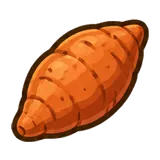
| Sweet potato | 1:1 | Denser and sweeter, with similar colour; works in pies, mash and soups. |
| Kabocha squash | 1:1 | Drier, nuttier and very sweet; excellent in curries and roasted wedges. |
| Canned pumpkin purée | about 425 g can per 450 g roasted flesh | Thicker and more consistent than homemade, so it is ideal for baking. |
What goes with pumpkin
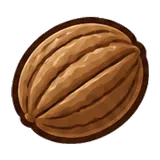
- Nutmeg. Nutmeg's warm spiciness matches pumpkin's earthy sweetness.
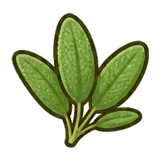
- Sage. Sage's piney, earthy leaf balances pumpkin's sweetness, as in classic ravioli.
- Cinnamon. Cinnamon's warmth accentuates pumpkin's natural sweetness.
- Maple Syrup. Maple's caramel sweetness suits pumpkin's mild, earthy flesh.
- Ginger. Ginger's heat contrasts pumpkin's mellow sweetness.
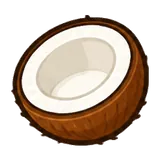
- Coconut Milk. Coconut milk's creamy fat softens pumpkin's earthy sweetness.
- Milk. Milk smooths pumpkin's earthy sweetness in soups and custards.
- Pecan. Pecan's buttery crunch contrasts with pumpkin's soft earthy sweetness.
- Pork Belly. Sweet pumpkin balances pork belly's fat in a long braise.
- Pork Shoulder. Pumpkin's sweetness balances the fat of slow-cooked pork.
Mistakes to avoid
- Unripe pumpkins lack sweetness.
- Failed moisture evaporation makes it watery.
Ideas for tonight
- Bake pumpkin muffins with spices.
- Roast and blend into pumpkin soup.
- Use as ravioli filling.
Pumpkin: questions
What does pumpkin taste like?
Plain pumpkin is mildly sweet and earthy, a bit like a softer, nuttier sweet potato. Its flavour gets much sweeter and deeper when roasted, and it happily takes on spices, herbs and fats.
Can you eat carving pumpkins?
They are safe to eat, but they are bred for size, not flavour, so the flesh is watery and stringy. For cooking, choose smaller sugar or pie pumpkins or a dense squash like Kabocha.
Do you need to peel pumpkin before roasting?
Not always. Thin-skinned types like Kabocha and Delicata soften enough to eat. Thicker rinds are easier to remove after roasting, when the flesh scoops away cleanly.
Can you freeze pumpkin?
Yes. Roast or steam it, mash or purée, then freeze in portions for up to 6 months. Raw chunks can also be frozen, but they will be soft once cooked.
Why is my pumpkin soup watery?
Usually the pumpkin was boiled, or it was a watery carving type. Roast the pumpkin first to drive off moisture, and add stock gradually until the texture is right.
What spices go best with pumpkin?
Cinnamon, nutmeg, ginger and clove are the classic sweet set. For savoury dishes, try sage, thyme, cumin, smoked paprika or a curry blend with turmeric.
How do you know when pumpkin is cooked?
A knife should slide through the thickest piece with no resistance, and roasted edges should be browned and caramelised. For roasting cubes at 200°C (400°F), that is usually 25–35 minutes.
What goes well with pumpkin?
Pumpkin pairs best with nutmeg, sage, cinnamon, maple syrup, ginger. Nutmeg's warm spiciness matches pumpkin's earthy sweetness.
How do you use pumpkin in cooking?
Baking Friend: pumpkin puree adds moisture, binding batters, and melds with spices in baking.
How should you store pumpkin?
Store whole in a cool, dry place; puree refrigerate for short term, freeze for longer.
What is the most common mistake with pumpkin?
Unripe pumpkins lack sweetness.
 Sweet Potato
 Sage
 Nutmeg
 Cinnamon
 Maple Syrup
 Coconut Milk
 Pecan
 Ricotta
