Carrot
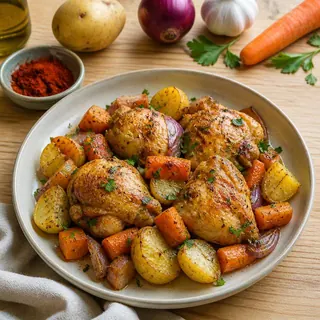
Carrots sweeten as they roast, browning at the edges.
Carrots are crunchy root vegetables, most often orange but also purple, yellow and white. They taste sweet and earthy, with a faint bitter, almost parsley-like edge, especially near the skin and the green top.
Cooks love carrots because they change completely with the heat you give them: crisp and fresh raw, soft and mellow in soups, and sticky, caramelised and intensely sweet when roasted. They also pair happily with spice, from cumin to harissa.
Flavor profile
Aroma: sweet, earthy
Good to know
Origin: Central Asia
Forms: raw, roasted, juice
Season: Available year-round; local carrots are at their sweetest from late summer through winter, especially after a frost.
Nutrition: Carrots are a good source of fibre and provide beta-carotene, which the body can convert to vitamin A.
Storage: Twist or cut off the green tops before storing, since they pull moisture from the root. Keep carrots in a sealed bag or container in the fridge crisper, where they stay crisp for 3–5 weeks; standing them in a jar of water also keeps them snappy. Keep them away from apples and pears, whose ethylene gas can make carrots taste bitter. To freeze, blanch slices for 2–3 minutes, chill in ice water, dry and freeze flat for up to a year. Carrots past their best turn limp, slimy or develop white, dried patches.
How to use carrot
Roast hot
High heat around 220 C evaporates water and caramelizes edge sugars.
Add fat
Their orange pigment dissolves in fat; cooking with oil or butter deepens color and flavor.
The science of carrot
- The orange colour comes from beta-carotene, a fat-soluble pigment. Cooking carrots with a little butter or oil carries that colour and its flavour into the fat, which is why carrot dishes glow orange.
- Carrots contain natural sugars (mostly sucrose, glucose and fructose). Roasting at 200–220°C (400–425°F) drives off water and lets those sugars caramelise and join the Maillard reaction, creating deep, nutty sweetness and browned edges.
- The slight bitter, resinous note comes from terpenes and other volatile compounds, which are concentrated near the skin. Very fresh carrots are often the sweetest; old or poorly stored ones can turn more bitter.
- Cooked carrots soften as heat breaks down pectin in their cell walls. Adding acid, such as lemon or vinegar, slows that softening, which helps them keep a little bite in pickles and braises.
How to choose carrot
Pick firm, smooth, brightly coloured carrots with no cracks or soft spots. If they still have their tops, the greens should be fresh and perky, not wilted. Smaller and medium carrots are often sweeter and more tender than very large ones, which can have a woody core.

Substitutes for carrot
| Swap | Amount | What changes |
|---|---|---|
| Parsnip | 1:1 | Sweeter and more aromatic, with a spicy edge; roasts beautifully. |
| Sweet potato | 1:1 | Softer and sweeter; good in soups, stews and roasting trays. |
| Butternut squash | 1:1 | Similar colour and sweetness, creamier when cooked. |
| Celery | 1:1 | In a soup base or stock, it adds the aromatic crunch but not the sweetness. |
What goes with carrot
- Cumin. Cumin's earthiness meets carrot's sweetness, and roasting deepens both.
- Beef Chuck. Carrot's sweetness balances the rich, savory beef in a braise.
- Honey. Honey's sugars caramelize with carrot's own sweetness when roasted.
- Butter. Butter's fat carries carrot's sweetness more intensely.
- Ginger. Ginger’s heat lifts the natural sweetness of carrots.
- Parsley. Parsley adds a hint of freshness to the sweet carrot.
- Lentil. Carrot's sweetness rounds lentils' dense texture.
- Cabbage. Cabbage and carrot both crunch sturdily, holding up well in dressings.
- Celery. Sweet carrot contrasts with celery's peppery flavor.
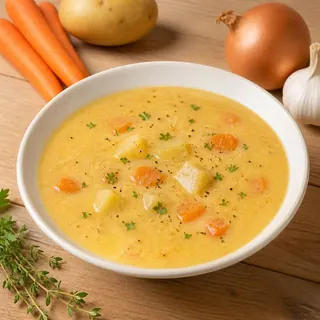
- Coriander Seed. Coriander seed's citrusy, floral linalool lifts carrot's earthy sweetness, as in carrot soup.
Mistakes to avoid
- Boiling them until pale and watery.
- Overcrowding the pan so they steam instead of roast.
Ideas for tonight
- Roast with cumin and finish with lemon.
- Shave raw into a salad with lime juice.
- Glaze with butter and a little honey.
Carrot: questions
Do you need to peel carrots?
No. Carrot skin is thin and edible; a good scrub is enough for most dishes. Peel them if the skin is tough or bitter, or if you want a smooth, bright look.
What temperature should I roast carrots at?
Roast at 200–220°C (400–425°F) for 25–35 minutes, turning once. Spread them out in a single layer so they caramelise instead of steaming.
Can you freeze carrots?
Yes. Blanch them in boiling water for 2–3 minutes first to keep their colour and texture, then cool, dry and freeze. Raw frozen carrots turn limp and lose flavour faster.
Why do my carrots taste bitter?
Bitterness often comes from storage next to ethylene-producing fruit like apples, from old carrots, or from the skin and green shoulders. Peel them and store them away from fruit.
Can you eat carrot tops?
Yes, carrot greens are edible and taste herby and slightly bitter, a bit like parsley. Use them in pesto, salsa verde or soups.
What spices go with carrots?
Cumin, coriander seed, ginger and cinnamon all bring out their sweetness. Harissa, za'atar and thyme work well too, and a drizzle of honey or a squeeze of lemon finishes them nicely.
What does carrot taste like?
Carrots sweeten as they roast, browning at the edges. Its strongest notes are sweet, earthy, with an aroma that is sweet, earthy.
What goes well with carrot?
Carrot pairs best with cumin, beef chuck, honey, butter, ginger. Cumin's earthiness meets carrot's sweetness, and roasting deepens both.
How do you use carrot in cooking?
Roast hot: high heat around 220 C evaporates water and caramelizes edge sugars.
How should you store carrot?
Remove green tops and keep in the fridge in a sealed bag or in water for weeks.
What is the most common mistake with carrot?
Boiling them until pale and watery.
 Cumin
 Honey
 Ginger
 Coriander Seed
 Sweet Potato
 Celery
 Beet