
Celery
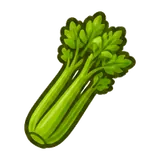
Celery's crisp texture and herbaceous notes add freshness to dishes.
Celery is the pale green, ribbed stalk that sits in almost every fridge and turns up in almost every soup pot. Raw, it tastes fresh, herbaceous and faintly salty, with a clean bitter edge and a crunch that is mostly water. Cooked, it softens into something mellow and savoury that you notice more when it is missing than when it is there.
Cooks love it because it does two very different jobs. Diced small with onion and carrot, it builds the aromatic base of stocks, stews and sauces. Sliced thin and raw, it brings snap and brightness to salads, slaws and a plate of peanut butter dip.
Flavor profile
Aroma: fresh, herbaceous
Good to know
Origin: Mediterranean
Forms: stalks
Season: Available year-round; home-grown and local celery is at its sweetest from late summer into autumn.
Nutrition: Mostly water with a little fibre, so it adds crunch and flavour more than calories.
Storage: Wrap whole celery tightly in foil or a reusable wrap and keep it in the crisper drawer, where it will stay crisp for 2–3 weeks; plastic bags tend to trap ethylene and speed up spoilage. Cut sticks keep for about a week submerged in water in a sealed container, changing the water every couple of days. Celery that is soft, hollow, slimy or brown at the cut ends is past its best. It can be frozen sliced or diced for up to a year, but it turns limp on thawing, so save frozen celery for soups, stocks and sauces.
How to use celery
Stock Staple
Mirepoix with celery; heat breaks cellulose, releasing flavor compounds.
Salad Crunch
Add sliced celery to salads for crunch and a refreshing taste.
The science of celery
- Celery's distinctive smell comes largely from phthalides, aroma compounds that also give lovage and celeriac their family resemblance. They are fat-soluble, so sweating celery gently in butter or oil pulls them into the base of a dish.
- The long strings running down each stalk are bundles of tough vascular tissue reinforced with cellulose. Heat does not fully soften them, so peeling older outer stalks with a vegetable peeler gives a far more tender result in braises.
- Raw celery stays crisp thanks to turgor pressure: each cell is swollen with water. A limp stalk has lost water, and standing it in cold water for 30 minutes lets the cells reabsorb it and snap back.
- Celery is naturally rich in nitrates and sodium compared with most vegetables, which is part of why it tastes slightly salty and why it adds savoury depth to stocks without any added seasoning.
- Cut celery browns slowly as polyphenol oxidase enzymes react with oxygen. A squeeze of lemon or a quick toss in dressing slows this, keeping sliced celery pale and fresh-looking.
How to choose celery
Pick a tight, heavy bunch with firm, glossy stalks that snap cleanly rather than bend. The leaves should look fresh and green, not yellow or wilted. Inner stalks (the heart) are paler, sweeter and more tender for eating raw; outer stalks have more flavour for cooking.

Substitutes for celery
| Swap | Amount | What changes |
|---|---|---|
| Fennel bulb | 1:1 | Same crunch raw and similar softening when cooked, but with a sweet anise note. |
| Celeriac | 1:1, diced | Earthier and denser with the same celery aroma; ideal for soups and stews. |
| Celery seed | 1/4 tsp per stalk | Gives the flavour with none of the crunch; good in dressings, slaws and stocks. |
| Bok choy stems | 1:1 | Juicy and crisp with a milder taste; best in stir-fries and quick sautés. |
What goes with celery
- Onion. Celery and onion form the aromatic base of many stocks and soups, adding savory and fresh notes.
- Chicken Stock. Celery's crisp aromas brighten chicken stock's hearty flavors.
- Carrot. Sweet carrot contrasts with celery's peppery flavor.
- Peanut. Peanuts add richness and texture to celery’s crispness.
- Cream. Cream's fat smooths celery’s bitterness, adding body.
- Beef Chuck. Celery adds a savory, slightly bitter note to long-braised beef.
- Tomato. Celery's fresh, slightly bitter notes balance tomato's sweet acid.
- Lemon. Lemon's acid cuts through celery’s mild flavor.
Mistakes to avoid
- Oxidation browns it, dulling appeal.
- Prolonged heat ruins its crisp texture.
Ideas for tonight
- Add to peanut chicken stir-fry.
- Use in a Waldorf salad.
- Chop into a bolognese base.
Celery: questions
What does celery taste like?
Raw celery is fresh, grassy and slightly salty, with a gentle bitterness and lots of crunch. Cooked, it turns soft, mellow and savoury, adding depth rather than a strong flavour of its own.
Can you freeze celery?
Yes. Wash, slice or dice it, then freeze flat in a bag for up to a year. It goes limp once thawed, so use it straight from frozen in soups, stocks and sauces rather than raw.
Can you eat celery leaves?
Absolutely. The leaves taste like a stronger, more herbal version of the stalk. Chop them into salads, use them like parsley, or toss them into stock.
Do you need to peel celery?
Not usually. For tender inner stalks there is no need, but peeling the stringy outer stalks with a vegetable peeler makes them much nicer in braises and salads.
What can I use instead of celery in soup?
Fennel, celeriac or a pinch of celery seed are the best swaps. Even a little extra onion and carrot will keep the base savoury, though you will lose that fresh herbal note.
Why is my celery bendy?
It has lost water. Trim the ends and stand the stalks in cold water in the fridge for 30 minutes to an hour, and they will usually crisp right back up.
What is mirepoix?
Mirepoix is the French name for diced onion, carrot and celery cooked gently in fat as the base for stocks, soups and sauces. A common ratio is two parts onion to one part each of carrot and celery.
What goes well with celery?
Celery pairs best with onion, chicken stock, carrot, peanut, cream. Celery and onion form the aromatic base of many stocks and soups, adding savory and fresh notes.
How do you use celery in cooking?
Stock Staple: mirepoix with celery; heat breaks cellulose, releasing flavor compounds.
How should you store celery?
Refrigerate, wrapped to prevent drying.
What is the most common mistake with celery?
Oxidation browns it, dulling appeal.
 Onion
 Carrot
 Chicken Stock
 Tomato
 Peanut
 Fennel Bulb
 Leek
 Beef Chuck
