Zucchini
Also called courgette
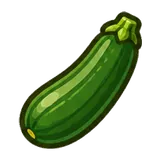
Zucchini's mild taste and watery insides support all sorts of cooking.
Zucchini, called courgette in the UK and much of Europe, is a summer squash from the Americas picked young, while the skin is thin and the seeds are soft. It tastes mild, fresh and grassy with a whisper of sweetness, and the flesh is very juicy.
That mildness is its superpower. Zucchini picks up whatever you cook it with, from garlic and basil to sesame and chilli, and it can be grilled, roasted, grated into fritters and cakes, or spiralised into noodles.
Flavor profile
Aroma: mild, grassy
Good to know
Origin: America
Forms: fresh, spiralized, grated
Season: Zucchini is a summer crop, at its peak from June to September in the Northern Hemisphere, and available year-round in shops.
Nutrition: A watery, light vegetable that adds volume and some vitamins to meals.
Storage: Keep zucchini dry and unwashed in a loose bag in the fridge crisper and use within 4–5 days. Wrinkled skin, soft spots or a slimy surface mean it is past its best. To freeze, grate or slice, blanch slices for 1 minute (grated can go in raw), squeeze out the water and freeze in portions for baking, soups and sauces. Frozen zucchini will be soft, so it will not grill well.
How to use zucchini
Avoid the Mushy Mess
Salt pulls water out through osmosis, keeping zucchini firm during cooking.
Quick Grill, More Nutrients
Grilling quickly caramelizes sugars, adding sweetness while keeping nutrients intact.
The science of zucchini
- Zucchini is about 95% water. Salting slices or grated zucchini pulls that water out by osmosis, so it browns in the pan instead of steaming into mush.
- Its cell walls are held together by pectin, which softens with heat. Brief, high-heat cooking keeps some bite; long, gentle cooking dissolves the pectin and leaves it limp.
- Grilling or searing at high heat evaporates surface moisture fast enough for the Maillard reaction and caramelisation to build sweet, toasty flavours on the cut faces.
- Like all squash, zucchini can contain cucurbitacins, bitter compounds that are normally present only in tiny amounts. A zucchini that tastes unusually, intensely bitter should be thrown away, not eaten.
How to choose zucchini
Pick small to medium zucchini, around 15–20 cm long, that feel firm and heavy with glossy, unblemished skin. Giant ones are watery, seedy and stringy. A little stem still attached helps them keep longer.

Substitutes for zucchini
| Swap | Amount | What changes |
|---|---|---|
| Yellow summer squash | 1:1 | Practically interchangeable; a touch sweeter and more tender. |
| Eggplant | 1:1 | Meatier and more absorbent; works well in ratatouille, grills and bakes. |
| Cucumber | 1:1, raw only | Gives the same cool crunch in salads and ribbons, but do not cook it. |
| Carrot, grated | 1:1 in baking | Adds moisture to cakes and breads with more sweetness and colour. |
What goes with zucchini
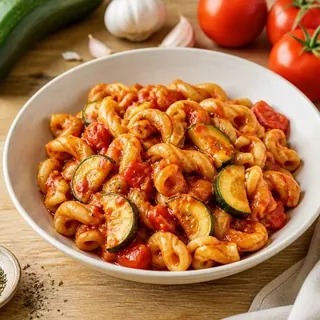
- Tomato. Tomato's acidity contrasts zucchini’s mild sweetness perfectly.
- Bell Pepper. Both vegetables soften and sweeten together in ratatouille.
- Olive oil. Olive oil helps zucchini caramelize, deepening its sweetness.
- Thyme. Thyme's light herbal notes contrast zucchini's mild sweetness.
- Parmesan. Parmesan's salt cuts through zucchini's mildness, adding umami.
- Basil. Basil's fresh, sweet aroma lifts zucchini's mild, watery flavor.
- Poblano. Zucchini's mild grassy flavor lets poblano's roasted heat lead.
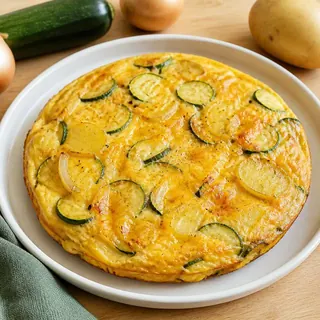
- Potato. Mild zucchini and potato make a soft, neutral pair for fritters and gratins.
- Quinoa. Mild zucchini adds juicy softness against quinoa's firm bite.
- Rice. Mild zucchini adds moisture to rice stuffing and pilafs.
Mistakes to avoid
- Prolonged cooking breaks down pectins, turning zucchini mushy.
- Old zucchinis, full of cellulose, get stringy.
Ideas for tonight
- Grate and add to bread batter.
- Slice and grill as a side.
- Spiralize as a pasta substitute.
Zucchini: questions
Is zucchini the same as courgette?
Yes. Zucchini is the Italian-derived name used in North America and Australia; courgette is the French-derived name used in the UK and much of Europe. Same vegetable.
Do you need to peel zucchini?
No. The skin is thin, tender and full of colour. Just wash it and trim the ends.
How do you stop zucchini from going soggy?
Salt it and let it sit for 15–20 minutes, then pat dry before cooking. Use a hot pan or grill, do not crowd it, and cook it quickly.
Can you freeze zucchini?
Yes, grated or sliced. Squeeze out as much water as you can and freeze in portions. It is soft when thawed, so use it in baking, soups and sauces.
Can you eat zucchini raw?
Yes. Shave it into thin ribbons with a peeler and dress with lemon, olive oil and salt. Young, small zucchini are best raw.
Why is my zucchini bitter?
Strong bitterness comes from cucurbitacins, which can build up in stressed plants. A mildly bitter edge is harmless, but if it tastes very bitter, spit it out and discard it.
What does zucchini taste like?
Zucchini's mild taste and watery insides support all sorts of cooking., with an aroma that is mild, grassy.
What goes well with zucchini?
Zucchini pairs best with tomato, bell pepper, olive oil, thyme, parmesan. Tomato's acidity contrasts zucchini’s mild sweetness perfectly.
How do you use zucchini in cooking?
Avoid the Mushy Mess: salt pulls water out through osmosis, keeping zucchini firm during cooking.
How should you store zucchini?
Refrigerate in a plastic bag and use within five days to avoid spoilage.
What is the most common mistake with zucchini?
Prolonged cooking breaks down pectins, turning zucchini mushy.
 Eggplant
 Tomato
 Bell Pepper
 Basil
 Ricotta
 Parmesan
 Cucumber
 Mint