
Almond
Also called sweet almond
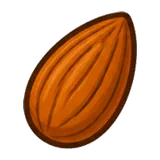
Almonds bring a mild nutty flavor and satisfying crunch to dishes.
Almonds are the seeds of a stone fruit closely related to peaches and apricots, first grown in the Middle East and now farmed widely in California and the Mediterranean. Their flavour is mild and gently sweet, with soft warmth and a faint bitter edge, and they turn deeply nutty and toasty with a little heat.
Cooks love almonds because they come in so many forms: whole for snacking, sliced for crunchy toppings, ground into flour for tender cakes, or blended into milk and creamy sauces. They play nicely with honey, fruit, chocolate and spice, and just as happily with green beans, fish and rice.
Flavor profile
Aroma: nutty
Good to know
Origin: Middle East
Forms: whole, sliced, ground, oil, flour
Season: Harvested from late summer into autumn, but stored almonds are available year-round. Fresh green almonds appear briefly in spring in some markets.
Nutrition: A source of protein and fat; almonds are a tree nut, so they are a common allergen.
Storage: Keep almonds in an airtight container in a cool, dark cupboard for up to about three months. In the fridge they last up to a year, and in the freezer even longer, sealed well so they do not pick up odours. Ground almonds and almond flour are best kept chilled and used within a few months. Rancid almonds smell like old paint or crayons and taste bitter, so bin them. Frozen almonds can be used straight from the freezer for baking or toasting.
How to use almond
Protein-Packed Cakes
Use almond flour in cakes. It adds structure with its protein and its oil keeps things moist, resulting in a tender crumb.
Smooth Operator
Grind almonds into a paste. Their proteins help thicken and emulsify, giving a smooth texture to sauces.
The science of almond
- The classic marzipan flavour comes from benzaldehyde. Sweet almonds have only a trace of it, which is why almond extract (made from bitter almond oil or similar kernels) tastes far stronger than the nuts themselves.
- Toasting triggers the Maillard reaction on the nut's surface, creating roasty pyrazines. Because almonds are rich in oil, they go from golden to burnt quickly: about 8–10 minutes at 175°C (350°F) is plenty.
- Almond flour has no gluten, so cakes made with it are tender and moist rather than springy. The fat keeps the crumb soft, while the protein and fibre give structure, which is why almond-based cakes often rely on eggs to hold together.
- Almond skins hold bitter tannins. A minute in boiling water loosens the skin so it slips off, giving blanched almonds with a cleaner, milder taste and a pale colour for marzipan and macarons.
- When ground and blended with water, almond proteins and oil form an emulsion, the same principle that makes almond milk smooth and lets almond pastes thicken sauces such as Spanish romesco.
How to choose almond
Look for whole, unbroken almonds with an even colour and no shrivelling, and buy from a shop with quick turnover. Sniff them if you can: fresh almonds smell sweet and faintly nutty, never sharp or paint-like. Buy flaked or ground almonds in smaller packs, since the extra surface area makes them go stale faster.

Substitutes for almond
| Swap | Amount | What changes |
|---|---|---|
| Hazelnuts | 1:1 | Richer and more toasty; great in cakes, crusts and praline. |
| Cashews | 1:1 | Softer and creamier; best for sauces and nut milks rather than crunch. |
| Sunflower seed flour | 1:1 for almond flour | Nut-free option; reduce baking soda slightly, since sunflower seeds can turn baked goods green. |
| Rolled oats, blitzed | 1:1 for ground almonds in crumbles | Gives body and a toasty note, but cakes will be less moist. |
What goes with almond
- Honey. Honey's sweetness balances almond's slight bitterness.
- Cocoa. Toasted almond adds crunch and a sweet nuttiness that softens cocoa's bitterness.
- Saffron. Almond's nutty flavor frames saffron's floral profile.
- Oats. Almonds add crunchy texture and nutty flavor to soft, mild oats.
- Vanilla. Vanillin in vanilla and benzaldehyde in almonds create a sweet, nutty aroma.
- Cinnamon. Cinnamon shares a cinnamaldehyde aroma with almonds.
- Butter. Butter's fat smooths almond's texture and deepens its taste.
- Green Bean. Toasted almonds add crunchy contrast to tender green beans.
- Apple. Almond's sweet, marzipan-like notes soften apple's tartness, as in frangipane tarts.
- Cardamom. Cardamom's floral, eucalyptus lift brightens almond's sweet, rounded flavor.
Mistakes to avoid
- Storing almonds warm can lead to the oils going rancid.
- Over-toasting forms acrylamide, making them bitter.
Ideas for tonight
- Top a salad with sliced almonds for crunch.
- Blend ground almonds into a smoothie for added body.
- Roast spiced almonds for a snack.
Almond: questions
How do you toast almonds?
Spread them on a tray and bake at 175°C (350°F) for 8–10 minutes, shaking once, until golden and fragrant. Flaked almonds need only 4–6 minutes. Tip them onto a cool plate straight away, because they keep cooking on the hot tray.
Can you freeze almonds?
Yes. Seal them in a freezer bag or airtight tub and they will keep for a year or more. There is no need to thaw before baking or toasting.
Is almond flour the same as ground almonds?
Almost. Almond flour is usually made from blanched almonds and ground finer, while ground almonds may include skins and be coarser. They swap 1:1 in most recipes, though fine flour gives smoother macarons.
How do you blanch almonds?
Drop them into boiling water for about a minute, drain, then rinse with cold water. Pinch each almond and the skin slides off. Dry them well before toasting or grinding.
Why do my almonds taste bitter?
Usually they are stale or rancid, or they were toasted too dark. Fresh almonds should taste sweet and mild. Store them cold to slow the oils from oxidising.
What can I use instead of almonds?
Hazelnuts and cashews are the easiest nut swaps. For nut-free cooking, try sunflower seeds or pumpkin seeds, which bring similar crunch to salads and granola.
What does almond taste like?
Almonds bring a mild nutty flavor and satisfying crunch to dishes., with an aroma that is nutty.
What goes well with almond?
Almond pairs best with honey, cocoa, saffron, oats, vanilla. Honey's sweetness balances almond's slight bitterness.
How do you use almond in cooking?
Protein-Packed Cakes: use almond flour in cakes. It adds structure with its protein and its oil keeps things moist, resulting in a tender crumb.
How should you store almond?
Store in a cool, dry place, preferably in an airtight container.
What is the most common mistake with almond?
Storing almonds warm can lead to the oils going rancid.
 Honey
 Cocoa
 Peach
 Pear
 Cardamom
 Hazelnut
 Pistachio
 Vanilla
