
Saffron
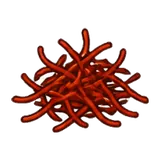
Saffron offers floral notes and vibrant color.
Saffron is the dried red stigmas of the saffron crocus, picked by hand from each flower, three threads at a time. It takes well over 100,000 flowers to make a kilo, which is why it costs so much. The taste is honeyed, floral and gently earthy, with a faint bitterness and a hay-like aroma.
Cooks love it because a tiny pinch does three jobs: it dyes food a glowing gold, perfumes it and adds a luxurious, hard-to-name depth. It is the soul of paella, risotto alla milanese, bouillabaisse, Persian tahdig and Indian biryani and kheer.
Flavor profile
Aroma: honeyed, floral
Good to know
Origin: Middle East
Forms: threads, powder
Season: Saffron is harvested in autumn, when the crocuses bloom for a few weeks; it is sold dried year-round.
Nutrition: Used in tiny amounts, so it adds colour and flavour more than nutrition.
Storage: Store saffron in an airtight, opaque container in a cool, dark, dry cupboard. Threads stay at their best for about 2 years, while powder fades faster. If threads have turned brownish or brittle and smell faint, they have lost much of their power. Freezing is not needed and can introduce moisture; just keep it sealed and away from light.
How to use saffron
Steeping for Maximum Flavor
Steeping extracts crocin, boosting color and floral aroma.
In Rice Dishes
Steeping draws out crocin for rich color and aroma.
The science of saffron
- Saffron's golden colour comes from crocin, a carotenoid that is unusually water-soluble. That is why saffron is steeped in warm water, stock or milk rather than fried in oil.
- The bitter taste comes from picrocrocin. During drying, enzymes and heat break part of it down into safranal, the compound behind saffron's distinctive hay-and-honey aroma.
- Steeping crumbled threads in warm, not boiling, liquid for 15–20 minutes lets crocin and safranal dissolve fully, so a smaller pinch flavours more food.
- Crocin and safranal break down in light and moisture, so saffron loses colour and aroma if stored in a clear jar or a humid kitchen.
How to choose saffron
Buy whole threads, not powder, which is easy to adulterate. Real threads are deep red with a slightly flared, trumpet-shaped tip, and some may have a little orange at the base. Drop one in warm water: real saffron slowly releases a golden-yellow colour while the thread stays red, whereas fakes often bleed red dye fast or fall apart. Buy from a reputable seller and expect to pay for it.

Substitutes for saffron
| Swap | Amount | What changes |
|---|---|---|
| Turmeric | 1/4 tsp per pinch of saffron | Gives the golden colour but an earthy, not floral, taste. |
| Safflower | 1 tsp per pinch | Sometimes called poor man's saffron; good colour, very mild flavour. |
| Annatto | a pinch | Adds orange-gold colour with a peppery, nutty note. |
| Sweet paprika + turmeric | a pinch of each | Mimics the colour in rice dishes; flavour will differ. |
What goes with saffron
- Rice. Saffron’s aroma compounds infuse rice with a distinctive, vivid flavor.
- Yogurt. Yogurt’s tangy creaminess softens saffron’s floral notes.
- Almond. Almond's nutty flavor frames saffron's floral profile.
- Milk. Saffron's aroma is enriched by milk's fat content.
- Cardamom. Both bring floral, honeyed aromas, as in Persian and Indian sweet rice.
- Pistachio. Saffron's honeyed floral notes sit well on pistachio's mild sweetness, a Persian dessert pair.
- Scallop. Saffron's honeyed floral notes match scallop's sweetness in cream sauces.
- Shrimp. Saffron's honeyed floral aroma suits shrimp's sweet brine, as in paella.
- Sugar. Sugar carries saffron's honeyed floral notes in syrups and desserts.
- Tomato. Saffron's honeyed aroma softens tomato's acid in fish stews.
Mistakes to avoid
- Too much saffron tastes medicinal or metallic.
- Skip steeping, miss crocin and picrocrocin.
Ideas for tonight
- Saffron-infused risotto.
- Creamy fish sauce.
- Authentic paella colors.
Saffron: questions
What does saffron taste like?
Saffron tastes honeyed, floral and gently earthy, with a slight bitterness and a hay-like aroma. Too much makes food taste metallic or medicinal.
How much saffron should I use?
A generous pinch, roughly 15–20 threads, is enough for a pot of rice or a stew serving 4–6. Start small; you can add more next time.
How do you use saffron threads?
Crumble them into a few tablespoons of warm water, stock or milk and leave to steep for 15–20 minutes. Add the liquid and threads to your dish.
How can you tell if saffron is real?
Real threads are deep red, trumpet-shaped at one end, and colour warm water gold slowly while staying red themselves. Fake saffron often bleeds red quickly, looks uniform or crumbles.
Why is saffron so expensive?
Each flower has only three stigmas, which must be picked by hand and dried carefully. It takes well over 100,000 flowers to produce a kilo.
Can I substitute turmeric for saffron?
For colour, yes, but not for flavour. Turmeric is earthy and slightly bitter, while saffron is floral and honeyed.
Should I toast saffron?
Some Spanish cooks lightly toast threads before crumbling them, which makes them easier to grind. Do it very gently, as saffron scorches easily.
What goes well with saffron?
Saffron pairs best with rice, yogurt, almond, milk, cardamom. Saffron’s aroma compounds infuse rice with a distinctive, vivid flavor.
How do you use saffron in cooking?
Steeping for Maximum Flavor: steeping extracts crocin, boosting color and floral aroma.
How should you store saffron?
Store in an airtight container away from light and moisture.
What is the most common mistake with saffron?
Too much saffron tastes medicinal or metallic.
 Rice
 Cardamom
 Pistachio
 Shrimp
 White Wine
 Tomato
 Star Anise
 Turmeric
