
Turmeric
Also called haldi
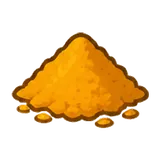
Turmeric colors food gold, tastes earthy and a bit bitter, and dissolves best in fat.
Turmeric is the root of a ginger-family plant, boiled, dried and ground into a vivid yellow-orange powder. It tastes earthy, musky and gently bitter, with a mustardy, peppery note, and fresh turmeric root adds a bright, gingery zing.
Cooks love it for its sunny colour and its quiet, grounding flavour. It sits under almost every curry and dal, colours golden rice and piccalilli, and gives a warm glow to scrambled tofu, roast cauliflower and soups.
Flavor profile
Aroma: earthy, musky, mustardy
Good to know
Origin: South Asia
Forms: ground, fresh root
Season: Ground turmeric is available year-round; fresh root is easiest to find in late autumn and winter, after the harvest.
Nutrition: Used in small amounts, so it adds colour and flavour more than nutrition.
Storage: Keep ground turmeric in an airtight, dark jar in a cool cupboard, where it stays bright for about a year. Fresh root keeps for 2–3 weeks in a paper towel inside a bag in the fridge, and it freezes beautifully: freeze whole knobs and grate them straight from frozen, no peeling needed. Discard fresh root that turns soft, wrinkled or mouldy. Turmeric stains plastic and wood, so a glass jar and a metal spoon are your friends.
How to use turmeric
Cook it in oil
Raw powder tastes chalky. Fry it briefly in oil to remove rawness and spread color.
Use a small amount
A teaspoon can color an entire pot. More than that and it turns bitter.
The science of turmeric
- The colour comes from curcumin and related curcuminoids. They are fat-soluble and barely dissolve in water, so frying turmeric briefly in oil spreads its colour evenly and removes the raw, chalky taste.
- Curcumin is a natural pH indicator: it is yellow in neutral or acidic food but turns reddish-brown in alkaline conditions, such as with baking soda. That is why turmeric cakes can look oddly orange.
- Turmeric's earthy aroma comes from volatile compounds called turmerones. They fade with long storage, leaving mostly colour and bitterness behind.
- Curcumin breaks down in strong light, which is why turmeric-coloured food left in sunlight can fade, and why the powder keeps best in a dark jar.
How to choose turmeric
Ground turmeric should be a bright, even orange-yellow and smell earthy and warm rather than dusty. Fresh turmeric root should be firm and heavy, with tight skin and no soft or mouldy spots; snap one open and the inside should be vivid orange. Wear gloves or use a dark board when cutting fresh root.

Substitutes for turmeric
| Swap | Amount | What changes |
|---|---|---|
| Fresh turmeric root | 1 tbsp grated per 1 tsp ground | Brighter and more gingery, with the same colour. |
| Saffron | a pinch per 1 tsp | Gives golden colour with a floral, honeyed taste; much pricier. |
| Mild curry powder | use twice as much | Usually turmeric-based, but brings cumin, coriander and chilli too. |
| Sweet paprika | 1:1 | For colour only; adds a red rather than yellow tint and a sweet pepper flavour. |
What goes with turmeric
- Lentil. Turmeric's earthy warmth is the classic seasoning for lentil dal.
- Black pepper. Pepper's sharp heat cuts turmeric's muddy earthiness, a staple pairing in curries.
- Cumin. Both turmeric and cumin share earthy and warm aroma compounds.
- Ginger. Ginger's pungency heightens turmeric's earthy warmth.
- Coriander Seed. The citrusy note of coriander seeds balances turmeric's earthiness.
- Cauliflower. Turmeric's earthy warmth and golden color stand out against mild cauliflower.
- Chicken thigh. Turmeric's earthy warmth flavors chicken thigh and colors its juices gold.
- Mustard Seed. Turmeric adds earthy color and flavor beside mustard seed's sharp pungency in curries and pickles.
- Potato. Turmeric's earthy, mustardy notes color and season potato in Indian curries.
- Pumpkin. Turmeric's earthy warmth matches pumpkin in curries and soups.
Mistakes to avoid
- Adding it dry at the end, where it tastes raw.
- Using too much, which makes the dish bitter and metallic.
Ideas for tonight
- Fry in oil with onion before adding lentils.
- Stir into rice while it cooks for golden grains.
- Whisk a pinch into a creamy dressing.
Turmeric: questions
What does turmeric taste like?
Turmeric tastes earthy, warm and slightly bitter, with a musky, mustard-like aroma. Fresh root is brighter and more peppery, almost like ginger.
Why does turmeric taste bitter or metallic?
You probably used too much or added it raw at the end. A teaspoon colours a whole pot; fry it briefly in oil early on to soften its edge.
How do you get turmeric stains out?
Act fast. Dish soap and water helps on fabric, and sunlight fades curcumin, so drying a stained cloth in the sun often lightens it. On counters, a paste of baking soda and water usually lifts it.
Can I use fresh turmeric instead of ground?
Yes. Use about 1 tablespoon of finely grated fresh root for every teaspoon of ground. Fresh is brighter and juicier, so it suits curries, dressings and smoothies.
Is turmeric the same as curry powder?
No. Turmeric is a single spice, while curry powder is a blend that usually contains turmeric alongside cumin, coriander, fenugreek and chilli.
Can you freeze fresh turmeric?
Yes, and it works brilliantly. Freeze whole pieces in a bag and grate from frozen; it keeps for several months.
What goes well with turmeric?
Turmeric pairs best with lentil, black pepper, cumin, ginger, coriander seed. Turmeric's earthy warmth is the classic seasoning for lentil dal.
How do you use turmeric in cooking?
Cook it in oil: raw powder tastes chalky. Fry it briefly in oil to remove rawness and spread color.
How should you store turmeric?
Keep ground turmeric in a sealed jar; it stains everything, so use a dark spoon.
What is the most common mistake with turmeric?
Adding it dry at the end, where it tastes raw.
 Cumin
 Coriander Seed
 Ginger
 Lentil
 Cauliflower
 Coconut Milk
 Black pepper
