
Mustard Seed
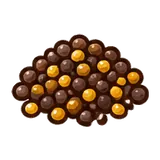
Mustard seeds bring a sharp and pungent kick.
Mustard seeds are the tiny round seeds of plants in the cabbage family, sold as yellow (white), brown or black. Whole and dry, they barely smell of anything, but crushed with water they turn sharp, hot and nose-tingling, and fried in oil they pop and turn nutty and mellow.
Cooks love that shape-shifting. Mustard seeds become Dijon and English mustard, pop in hot oil to start South Indian dal and sambar, and give pickles, coleslaw and potato salad their bright bite.
Flavor profile
Aroma: sharp, pungent
Good to know
Origin: India
Forms: yellow, brown, black
Season: Available year-round; the seeds are harvested in late summer and autumn.
Nutrition: Used in small amounts, so it adds flavour more than nutrition. Mustard is a common allergen in some regions, including the UK and EU.
Storage: Whole mustard seeds are very stable: in an airtight jar in a cool, dry, dark cupboard they keep for 2–3 years or more. Ground mustard powder keeps for about a year, but moisture can trigger the enzyme early and dull it, so keep it bone dry. Homemade mustard lives in the fridge and keeps for several months, softening in heat over time.
How to use mustard seed
Blooming for Flavor
Crushing and mixing with water activates myrosinase for pungency release.
Grinding for Heat
Grinding mixes myrosinase with water, heightening heat.
The science of mustard seed
- The heat is not in the dry seed. When mustard is crushed and wetted, an enzyme called myrosinase meets compounds called glucosinolates and converts them into allyl isothiocyanate (in brown and black seeds) or a milder cousin (in yellow seeds). That is the sharp, sinus-clearing kick.
- Myrosinase is destroyed by heat. Cold water gives the hottest mustard, while hot water or frying the seeds first deactivates the enzyme, leaving a nutty, mild flavour instead.
- Acid slows the enzyme too, but it also stabilises the heat that has already formed. That is why mustard makers let ground seeds sit in water for 10–15 minutes before adding vinegar.
- Allyl isothiocyanate is volatile, so homemade mustard is fiercest when fresh and mellows over days in the fridge.
How to choose mustard seed
Yellow seeds are the mildest, used in American mustard and pickling. Brown seeds are hotter and used in Dijon and Indian cooking. Black seeds are the most pungent and the classic choice for tempering. Look for clean, round, evenly coloured seeds without dust or broken bits.

Substitutes for mustard seed
| Swap | Amount | What changes |
|---|---|---|
| Mustard powder | 1 tsp per 1 tbsp seeds | Same pungency once wetted; no pop or texture. |
| Prepared Dijon mustard | 1 tbsp per 1 tsp seeds | Good in dressings and sauces; adds vinegar and salt. |
| Horseradish | use half as much | Gives a similar nose-tingling heat from the same compound family. |
| Cumin seeds | 1:1 | For tempering in oil when you want aroma and crunch, not heat. |
What goes with mustard seed
- Vinegar. Vinegar activates mustard seed enzymes, intensifying its pungency.
- Honey. Honey's sweetness tempers mustard seed’s sharp heat.
- Cabbage. Mustard seed cuts through cabbage's earthy taste with pungent heat.
- Mayonnaise. Mustard seed's pungency livens up mayonnaise’s creaminess.
- Cumin. Both bloom in hot oil and add sharp, earthy notes to curries.
- Potato. Mustard seed's pungent bite flavors potatoes in Indian dishes.
- Turmeric. Turmeric adds earthy color and flavor beside mustard seed's sharp pungency in curries and pickles.
- Vegetable Oil. Hot oil blooms mustard seed's pungent flavor and pops the seeds.
- Rice Vinegar. Rice vinegar's mild acid softens mustard seed in quick pickles.
- Curry Leaf. Curry leaf and mustard seeds sputter together in hot oil as a classic tadka.
Mistakes to avoid
- Skipping blooming leaves allyl isothiocyanate unactivated.
- Poor storage ruins myrosinase, dulling heat.
Ideas for tonight
- Sharp salad dressing.
- Spice rubs for grilled meats.
- Punchy barbecue sauces.
Mustard Seed: questions
Are mustard seeds spicy?
Only when crushed and mixed with cold liquid, which creates their sharp heat. Fried whole in oil, they turn nutty and only mildly pungent.
What is the difference between yellow and brown mustard seeds?
Yellow seeds are milder and tangier. Brown and black seeds are hotter and more pungent, and are preferred in Indian cooking and Dijon-style mustard.
How do I temper mustard seeds?
Heat oil or ghee until shimmering, add the seeds and cover the pan. When they crackle and pop, after about 30 seconds, add the next ingredient so they do not burn.
How do I make mustard from seeds?
Grind or crack the seeds, mix with cold water and let them sit 10–15 minutes to develop heat. Then add vinegar, salt and a little sugar or honey, and rest it in the fridge for a day.
Why is my homemade mustard bitter?
Fresh mustard is often bitter and fierce. Give it a few days in the fridge and it mellows and balances out.
Can I use mustard powder instead of seeds?
Yes, for flavour. Use about 1 teaspoon of powder per tablespoon of seeds, but you will lose the pop and texture.
What does mustard seed taste like?
Mustard seeds bring a sharp and pungent kick. Its strongest notes are pungent, with an aroma that is sharp, pungent.
What goes well with mustard seed?
Mustard Seed pairs best with vinegar, honey, cabbage, mayonnaise, cumin. Vinegar activates mustard seed enzymes, intensifying its pungency.
How do you use mustard seed in cooking?
Blooming for Flavor: crushing and mixing with water activates myrosinase for pungency release.
How should you store mustard seed?
Store in an airtight container in a cool, dry place.
What is the most common mistake with mustard seed?
Skipping blooming leaves allyl isothiocyanate unactivated.
 Cumin
 Turmeric
 Mustard
 Potato
 Cabbage
 Vinegar
 Honey
