Vegetable Oil
Also called canola oil
Vegetable oil is a neutral oil common in frying and baking, acting as a fat source and heat transfer medium.
Vegetable oil is a catch-all name for refined oils pressed from seeds and beans, usually soybean, canola (rapeseed), sunflower, corn or a blend. It is the bottle most kitchens reach for when frying, roasting or baking.
Its big selling point is that it tastes of almost nothing. That neutral flavour lets garlic, spices and browned crusts take the spotlight, and its high smoke point makes it reliable for deep frying and searing. It is cheap, easy and always there when you need it.
Flavor profile
Aroma: neutral
Good to know
Origin: Universal
Forms: liquid, refined, unrefined
Season: Available year-round; it is a shelf-stable pantry staple.
Nutrition: Pure fat and calorie-dense, so it adds texture and helps cooking more than it adds nutrition.
Storage: Store vegetable oil in a cool, dark cupboard with the cap tightly closed, away from the stove and sunny windows. Unopened, it keeps about a year; once opened, use it within roughly six months. Sniff it before using: a sharp, painty or fishy smell means it has gone rancid. To reuse frying oil, let it cool, strain it through a fine sieve or paper towel, and keep it covered in a dark place, using it two or three more times at most. Never pour used oil down the sink; cool it and bin it in a sealed container.
How to use vegetable oil
Maximize Heat Conductivity
Fry with oil having a high smoke point to prevent breakdown, avoiding off-flavors.
Enhance Baking
Use for moisture; oil coats proteins, preventing gluten overdevelopment.
The science of vegetable oil
- Refining strips out proteins, free fatty acids and aroma compounds. That removes flavour but raises the smoke point to roughly 200–230°C (400–450°F), which is why refined oil suits deep frying.
- When food hits hot oil, water at its surface turns to steam and rushes out, which keeps oil from soaking in. Meanwhile the surface dries and browns through the Maillard reaction, forming a crisp crust. Most frying happens at 175–190°C (350–375°F).
- Every time oil is heated, some fat breaks down into free fatty acids and other compounds, lowering its smoke point. Reused oil darkens, foams and smokes sooner, and food fried in it tastes stale.
- In cakes, oil coats flour proteins and limits gluten formation, giving a tender crumb. Because oil stays liquid at room temperature, oil-based cakes taste moister than butter cakes, even days later.
- Many seed oils are high in polyunsaturated fats, which react with oxygen more readily than other fats. Light and warmth speed this up, producing the painty smell of rancid oil.
How to choose vegetable oil
For frying, choose a refined oil labelled vegetable, canola, sunflower or peanut, which all have high smoke points. Check the label for the exact oils in a blend if you have soy or peanut allergies to consider. Buy a bottle size you will use within a few months of opening.

Substitutes for vegetable oil
| Swap | Amount | What changes |
|---|---|---|
| Canola, sunflower or peanut oil | 1:1 | These are often what vegetable oil is made of, so they behave the same in frying and baking. |
| Light (refined) olive oil | 1:1 | Mild and fine for sautéing and baking, though more expensive for deep frying. |
| Melted butter | 1:1 in baking | Adds rich flavour to cakes and muffins, but the crumb will be a little less soft. Not for deep frying. |
| Applesauce | Replace up to half the oil | Works in muffins and quick breads to cut fat, giving a denser, moister crumb. |
What goes with vegetable oil
- Garlic. Garlic imparts aromatic flavors to vegetable oil's neutral base.
- Thyme. Thyme's oils steep into the oil, adding its distinct aroma.
- Cumin. Cumin's fat-soluble compounds dissolve in the oil, releasing its aroma.
- Potato. Potatoes fry well in vegetable oil, yielding a crisp texture.
- Mustard Seed. Hot oil blooms mustard seed's pungent flavor and pops the seeds.
- Rice Vinegar. Oil carries flavor while rice vinegar adds mild acid, a light dressing that needs a shake to stay mixed.
- Scallion. Hot oil poured over scallion releases its aroma into a quick sauce.
- Sesame Oil. Neutral vegetable oil stretches sesame oil's strong flavor in stir-fries.
- Shallot. Oil fries shallot crisp and takes on its sweet aroma.
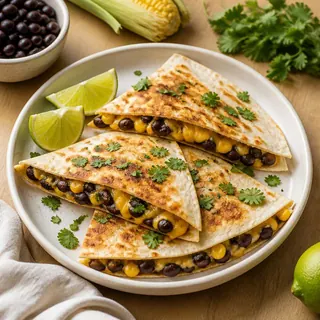
- Tortilla. Neutral vegetable oil fries tortillas into crisp chips and tostadas.
Mistakes to avoid
- Improper storage oxidizes oil, making it rancid.
- Overcrowding fries lowers heat, saturating food.
Ideas for tonight
- Use for frying chicken.
- Mix into cake batter for moisture.
- Stir into salad dressing.
Vegetable Oil: questions
What is vegetable oil made of?
It is usually refined soybean oil, canola oil or a blend of seed oils. The label will tell you the exact source, which matters if you are avoiding soy or peanut.
Is canola oil the same as vegetable oil?
Canola oil is one kind of vegetable oil, and in many places it is what the bottle labelled vegetable oil contains. They can be swapped 1:1 in any recipe.
What is the smoke point of vegetable oil?
Refined vegetable oils usually smoke at around 200–230°C (400–450°F). That is comfortably above the 175–190°C (350–375°F) range used for most deep frying.
Can you reuse frying oil?
Yes, a few times. Strain it once cool, store it covered in a dark place, and throw it out when it turns dark, smells off, foams or starts smoking at normal frying temperatures. Oil used for fish is best kept for fish.
How do I know when oil is hot enough to fry?
A thermometer is best. Without one, drop in a cube of bread: if it sizzles steadily and turns golden in about a minute, the oil is close to 180°C (350°F).
Can I use olive oil instead of vegetable oil?
Yes. Use light or refined olive oil if you want a neutral taste, especially in baking. Extra virgin olive oil works too but adds its own grassy, peppery flavour.
What does vegetable oil taste like?
Vegetable oil is a neutral oil common in frying and baking, acting as a fat source and heat transfer medium., with an aroma that is neutral.
What goes well with vegetable oil?
Vegetable Oil pairs best with garlic, thyme, cumin, potato, mustard seed. Garlic imparts aromatic flavors to vegetable oil's neutral base.
How do you use vegetable oil in cooking?
Maximize Heat Conductivity: fry with oil having a high smoke point to prevent breakdown, avoiding off-flavors.
How should you store vegetable oil?
Keep in a cool, dark place to preserve freshness, avoiding exposure to sunlight.
What is the most common mistake with vegetable oil?
Improper storage oxidizes oil, making it rancid.
 Olive oil
 Sesame Oil
 Garlic
 Potato
 Scallion
 ShallotTortilla
 Mustard Seed