
Mustard
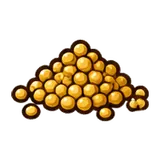
Mustard seeds and their products add sharpness and depth to dishes.
Mustard is made from the seeds of the mustard plant, ground and mixed with water, vinegar or wine into a paste. It is sharp, warmly pungent and a little bitter, with a nose-tingling heat that hits fast and fades just as quickly.
Cooks love it for both its kick and its texture. A spoonful sharpens sandwiches and sauces, glazes meat with honey, and holds oil and vinegar together in a creamy dressing. From mild yellow to fiery English, there is a mustard for every job.
Flavor profile
Aroma: sharp, spicy
Good to know
Origin: India
Forms: seeds, powder, paste
Season: Available year-round as a pantry condiment; seeds are harvested in late summer.
Nutrition: Used in small amounts, so it adds flavour rather than much nutrition; mustard is a common allergen in some regions, so label it when serving others.
Storage: Unopened jars keep for 1–2 years in the cupboard. Once opened, store mustard in the fridge with the lid tight; it stays at its best for about a year, though it slowly loses its heat and can dry out or separate. A darkened, crusty top or a flat, sour taste means it is past its prime; mould means bin it. Dry mustard powder and whole seeds keep for 1–2 years in an airtight jar away from light, and there is no need to freeze mustard.
How to use mustard
Vinaigrette Flair
Emulsify mustard with oil; mucilage proteins stabilize texture and sharpness.
Meaty Mustard
Mustard-coated meats caramelize sugars into a flavorful crust when heated.
The science of mustard
- Whole mustard seeds are not hot. When they are crushed and mixed with cold water, an enzyme called myrosinase breaks compounds called glucosinolates into allyl isothiocyanate, the volatile oil that gives mustard its sharp, sinus-clearing heat.
- That reaction is sensitive. Hot water or early acid slows the enzyme and gives milder mustard, which is why English mustard powder is mixed with cold water and left for about 10 minutes before vinegar is added.
- Allyl isothiocyanate is volatile and breaks down with heat, so mustard cooked into a sauce or braise gets much gentler. Stir it in near the end if you want the bite.
- Mustard seed coats contain mucilage, a gummy carbohydrate, plus proteins that sit at the boundary between oil and water. This makes mustard an excellent emulsifier for vinaigrettes and mayonnaise.
- Brushed onto meat with a little sugar or honey, mustard helps a crust form as those sugars caramelise and its proteins join the Maillard reaction.
How to choose mustard
Pick by job: smooth Dijon for dressings and pan sauces, wholegrain for texture and a milder pop, yellow for classic hot dogs and potato salad, and English for real heat. Check the ingredients; good mustards list little more than seeds, vinegar or wine, salt and spices. Dry mustard powder is a handy, long-keeping option for rubs and cheese sauces.

Substitutes for mustard
| Swap | Amount | What changes |
|---|---|---|
| Dry mustard powder + water | 1 tsp powder + 1 tsp cold water per 1 tbsp prepared mustard | Rest it 10 minutes to build heat, then add a splash of vinegar. |
| Wholegrain mustard (for Dijon) | 1:1 | Milder and seedier; still emulsifies a dressing but looks speckled. |
| Horseradish | use half as much | Similar sinus-clearing heat from a related compound, but no emulsifying power. |
| Wasabi paste | use a quarter as much | Fiery and sharp; works in dips and dressings in small amounts. |
What goes with mustard
- Honey. Honey tempers mustard's sharp heat for contrast.
- Chicken thigh. Mustard's sharp tang cuts through the rich fat of chicken thigh.
- Shallot. Mustard's pungency cuts through shallots' sweetness for contrast.
- Vinegar. Mustard's lecithin helps emulsify vinegar and oil.
- Pork Shoulder. Mustard adds a sharp contrast to pork shoulder's fattiness.
- Maple Syrup. Mustard's acidity cuts maple syrup's sweetness, adding brightness to dressings.
- Molasses. Molasses' sweetness tames mustard's heat, making a sweet-savory glaze.
- Cheddar. Mustard's sharpness cuts through cheddar's rich, creamy density.
- Black pepper. Black pepper adds earthy heat to mustard's tang.
- Butter. Butter's fat dulls mustard's sting.
Mistakes to avoid
- Heat reduces mustard's spicy elements.
- Too much mustard overpowers subtler flavors.
Ideas for tonight
- Spread in sandwiches.
- Mix into potato salad for sharpness.
- Use seeds in pickling brine.
Mustard: questions
Why is mustard spicy?
Crushing mustard seeds with water lets the enzyme myrosinase turn glucosinolates into allyl isothiocyanate, a sharp volatile oil. It rises into your nose rather than burning your tongue like chilli, so the heat is quick and fades fast.
Does mustard need to be refrigerated after opening?
It will not become unsafe quickly at room temperature thanks to its acid, but refrigerating keeps its flavour and heat much longer. An open jar kept in the cupboard tends to dull within a couple of months.
What can I use instead of Dijon mustard?
Wholegrain mustard is the easiest 1:1 swap. Yellow mustard works in a pinch but is milder and more vinegary, and a little mustard powder mixed with white wine vinegar gets close to Dijon's sharpness.
Why does mustard help a vinaigrette stay mixed?
Mustard contains mucilage and proteins that coat tiny oil droplets and keep them suspended in vinegar. Even half a teaspoon makes a dressing creamier and slower to separate.
Does cooking mustard make it milder?
Yes. The heat comes from a volatile oil that breaks down when heated, so mustard simmered into a sauce turns mellow and savoury. Add a little more at the end if you want the kick back.
What is the difference between yellow mustard and Dijon?
Yellow mustard uses mild white seeds, plenty of vinegar and turmeric for its bright colour. Dijon uses hotter brown or black seeds with wine or verjuice, so it is smoother, sharper and more complex.
What does mustard taste like?
Mustard seeds and their products add sharpness and depth to dishes. Its strongest notes are pungent, with an aroma that is sharp, spicy.
What goes well with mustard?
Mustard pairs best with honey, chicken thigh, shallot, vinegar, pork shoulder. Honey tempers mustard's sharp heat for contrast.
How do you use mustard in cooking?
Vinaigrette Flair: emulsify mustard with oil; mucilage proteins stabilize texture and sharpness.
How should you store mustard?
Refrigerate after opening; keep dry seeds airtight and cool.
What is the most common mistake with mustard?
Heat reduces mustard's spicy elements.
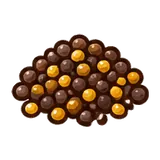 Mustard Seed
 Honey
 Chicken thigh
 Dill
 Vinegar
 Potato
 Pork Shoulder
 Mayonnaise
