
Cocoa
Also called cocoa powder
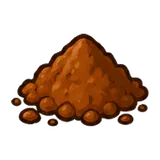
Cocoa powder, from roasted cacao beans, offers rich chocolate flavor with a hint of bitterness.
Cocoa powder is made from cacao beans that have been fermented, dried, roasted and ground into a paste, then pressed to squeeze out most of the cocoa butter. What's left is crushed into the fine brown powder that flavours cakes, brownies, hot chocolate and even savoury chilli and mole.
It tastes intensely chocolatey, bitter and earthy, with nutty, roasty and faintly smoky notes and only a hint of sweetness. Cooks love it because it packs more pure chocolate flavour per spoonful than chocolate bars do, it's cheap, it keeps for ages, and it mixes easily into batters, drinks and spice rubs.
Flavor profile
Aroma: chocolate, nutty
Good to know
Origin: Central America
Forms: powder
Season: Available year-round as a pantry staple.
Nutrition: Used in small amounts, so it adds flavour more than nutrition; it contains a little caffeine and theobromine.
Storage: Keep cocoa powder in an airtight container in a cool, dry, dark cupboard, away from strong-smelling spices. It doesn't really spoil and stays at its best for about two years, though flavour slowly fades. Moisture is the enemy: damp cocoa clumps and can grow mould, so keep it out of the fridge and away from steam. If it smells stale, musty or of nothing at all, replace it. Freezing isn't necessary and can introduce condensation.
How to use cocoa
Cake Necessity
Incorporate cocoa in cakes; its acidity reacts with baking soda, enhancing chocolate depth and color.
Savory Twists
Add to mole sauces; cocoa's depth and bitterness heighten complexity.
The science of cocoa
- Most of the cocoa butter is pressed out, leaving powder that is only about 10–24% fat. Without much fat to soften it, cocoa tastes more intense and bitter than solid chocolate.
- Natural cocoa is acidic and reacts with baking soda to make bubbles. Dutch-process cocoa has been treated with an alkali, which raises its pH, darkens its colour and mellows its flavour, so it relies on baking powder to rise.
- Blooming cocoa, whisking it into hot water, coffee or melted butter, helps the powder disperse and releases flavour compounds trapped in the dry particles. The result tastes deeper and more chocolatey.
- The bitterness comes from polyphenols and from theobromine and a little caffeine, both methylxanthines. Sugar, salt, milk fat and vanilla all soften that bitter edge.
- Cocoa is full of starch and fibre that soak up liquid, so it behaves a little like flour in batters. Adding extra cocoa without extra liquid makes cakes dry and dense.
How to choose cocoa
Use unsweetened cocoa powder for baking, not drinking chocolate, which is mostly sugar. Follow the recipe on natural versus Dutch-process, especially when baking soda is involved. A good cocoa smells deeply of chocolate and has an even, rich colour with no grey or clumpy patches.

Substitutes for cocoa
| Swap | Amount | What changes |
|---|---|---|
| Unsweetened chocolate | 28 g (1 oz) chocolate per 3 tbsp cocoa, minus 1 tbsp fat | Gives the same chocolate hit. Melt it first and reduce the butter or oil in the recipe slightly. |
| Dutch-process for natural cocoa | 1:1 | Fine where the recipe uses baking powder. If it relies on baking soda, add a little baking powder so it still rises. |
| Carob powder | 1:1 | Caffeine-free and naturally sweeter, with a toasty, caramel flavour that is not quite chocolate. |
| Cacao powder | 1:1 | Made from less-roasted beans, so it is fruitier and more bitter. Behaves like natural cocoa in baking. |
What goes with cocoa
- Coffee. Both share methylxanthines, deepening bitter and earthy flavors.
- Hazelnut. Hazelnut's toasted, buttery sweetness matches cocoa's bitter depth.
- Orange. Limonene in orange brightens cocoa's dark richness.
- Vanilla. Vanillin smooths cocoa's bitterness, adding complexity.
- Almond. Toasted almond adds crunch and a sweet nuttiness that softens cocoa's bitterness.
- Banana. Banana's fruity sweetness softens cocoa's bitterness, as in banana chocolate bread.
- Milk. Milk's fat and sugars soften cocoa's bitterness.
- Peanut. Roasted, salty peanut balances cocoa's bitterness.
- Sugar. Cocoa's bitterness is offset by sugar's sweetness.
- Cinnamon. Cinnamaldehyde in cinnamon sweetens cocoa's bitterness.
Mistakes to avoid
- Excess leads to bitterness.
- Not sifting gives uneven mixing.
Ideas for tonight
- Mix into chocolate lava cake batter.
- Make homemade hot cocoa.
- Add to savory chili for depth.
Cocoa: questions
What is the difference between natural and Dutch-process cocoa?
Natural cocoa is acidic, lighter in colour and fruitier. Dutch-process cocoa has been alkalised, so it is darker, smoother and less bitter. Natural cocoa works with baking soda; Dutch-process usually pairs with baking powder.
Is cocoa powder the same as cacao powder?
They are very similar. Cacao powder is usually made from beans roasted at lower temperatures, so it tastes fruitier and more bitter. You can swap them 1:1 in most recipes.
Does cocoa powder go bad?
It rarely spoils if kept dry, but it slowly loses its aroma. After about two years it may taste flat. Throw it out if it smells musty or shows signs of mould.
Why should you bloom cocoa powder?
Mixing cocoa with hot liquid or melted fat before adding it to a batter helps it disperse and releases more flavour. Recipes often use hot coffee, which also deepens the chocolate taste.
Can I use cocoa powder instead of chocolate?
Yes. For each 28 g (1 oz) of unsweetened chocolate, use 3 tablespoons of cocoa plus 1 tablespoon of butter or oil. For semi-sweet chocolate, add some sugar too.
Can I use hot chocolate mix instead of cocoa powder?
Not as a direct swap. Hot chocolate mix is mostly sugar and milk powder, so it gives much less chocolate flavour and makes bakes overly sweet.
What does cocoa taste like?
Cocoa powder, from roasted cacao beans, offers rich chocolate flavor with a hint of bitterness. Its strongest notes are bitter, with an aroma that is chocolate, nutty.
What goes well with cocoa?
Cocoa pairs best with coffee, hazelnut, orange, vanilla, almond. Both share methylxanthines, deepening bitter and earthy flavors.
How do you use cocoa in cooking?
Cake Necessity: incorporate cocoa in cakes; its acidity reacts with baking soda, enhancing chocolate depth and color.
How should you store cocoa?
Store in a cool, dry place away from sunlight.
What is the most common mistake with cocoa?
Excess leads to bitterness.
 Coffee
 Hazelnut
 Vanilla
 Milk
 Sugar
 Almond
 Banana
 Peanut
