
Coffee

Coffee, from Coffea seeds, adds bitterness and warmth to recipes.
Coffee is the roasted seed of the Coffea plant, first brewed in the highlands of Ethiopia and Yemen. In the kitchen it brings warmth, roasted bitterness and a deep, earthy, woody aroma, with a lick of smoke from darker roasts and a hint of fruit or citrus from lighter ones.
Cooks love it because a little goes a long way. A spoonful of espresso makes chocolate taste more chocolatey, ground beans give spice rubs a dark, savoury crust, and brewed coffee turns into tiramisu, glazes and braises. It is a flavour amplifier as much as a flavour.
Flavor profile
Aroma: roasted, woody
Good to know
Origin: Ethiopia
Forms: beans, grounds, brew
Season: Available year-round; beans are harvested at different times in different growing regions, so roasters always have fresh crops.
Nutrition: Used in small amounts for flavour; it does contain caffeine, which stays in cooked and baked dishes.
Storage: Keep beans or grounds in an opaque airtight container in a cool, dark cupboard, away from the stove and steam. Whole beans taste best within about a month of roasting; ground coffee within a week or two. Stale coffee smells flat and papery and brews thin and bitter. You can freeze beans for up to a few months in small, well-sealed portions; take out only what you need and do not refreeze, since condensation dulls flavour. Instant espresso powder keeps for a year or more if kept dry.
How to use coffee
Dessert Depth
Add brewed coffee to cakes; it enhances chocolate and adds depth with bitterness.
Meat's Secret Weapon
Use ground coffee in spice rubs; its earthiness complements and enhances roasted meats.
The science of coffee
- Roasting drives the Maillard reaction and caramelisation inside the green bean, creating hundreds of aroma compounds such as pyrazines, furans and guaiacols. Lighter roasts keep more fruity acids; darker roasts trade them for smoky, bitter notes.
- Coffee's bitterness comes from caffeine plus compounds formed when chlorogenic acids break down during roasting. That bitterness is why coffee lifts chocolate: cocoa shares a similar roasted, bitter backbone, so the two reinforce each other.
- Extraction happens in stages. Bright acids dissolve first and harsher bitter compounds come later, so over-brewing or water that is too hot (above about 96°C / 205°F) gives a harsh cup and a bitter sauce.
- Ground coffee goes stale fast because grinding exposes its aromatic oils to oxygen and lets trapped carbon dioxide and volatiles escape. Whole beans hold their aroma for weeks; grounds fade within days.
- Caffeine is heat-stable, so baking or simmering does not remove it. A coffee cake or coffee-braised brisket keeps most of the caffeine you put in.
How to choose coffee
Buy whole beans with a roast date on the bag, ideally within the last month, and grind just before using. For baking and desserts, instant espresso powder is the easiest way to add strong flavour without extra liquid. Pick medium-dark roasts for chocolate and meat rubs, and lighter roasts when you want fruity, bright notes.

Substitutes for coffee
| Swap | Amount | What changes |
|---|---|---|
| Instant espresso powder | 1–2 tsp dissolved in 1 cup hot water per 1 cup brewed coffee | The best baking swap; you can also add the powder dry to batters and rubs for a stronger hit. |
| Roasted chicory | 1:1 by brewed volume | Caffeine-free with a similar roasted bitterness, a New Orleans classic. |
| Cocoa powder | use half as much as ground coffee | Gives dark, bitter depth to rubs and chilli, though the flavour leans chocolate rather than roast. |
| Decaf coffee | 1:1 | Same flavour with little caffeine; ideal for desserts served late at night. |
What goes with coffee
- Cocoa. Both share methylxanthines, deepening bitter and earthy flavors.
- Cream. Cream's fat smooths out coffee’s bitter tannins.
- Hazelnut. Coffee's bitterness contrasts with hazelnut's sweetness.
- Milk. Milk's fat and sugar soften coffee's bitterness.
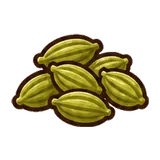
- Cardamom. Cardamom’s floral spice layers onto coffee's roasted profile.
- Sugar. Sugar offsets coffee's bitterness, smoothing the taste.
- Cinnamon. Cinnamaldehyde adds sweet aroma, offsetting coffee’s bitterness.
- Vanilla. Vanillin provides aromatic sweetness, rounding coffee’s edge.
- Orange. Orange's bright acid and citrus oil contrast with coffee's dark roast.
- Ribeye. Coffee's roasted bitterness deepens the crust on a seared ribeye when used in a rub.
Mistakes to avoid
- Stale coffee lacks flavor.
- Over-brewing increases bitterness.
Ideas for tonight
- Make an affogato with espresso and ice cream.
- Use in a barbecue rub for ribs.
- Enhance chocolate tart filling with coffee.
Coffee: questions
Will coffee make my chocolate cake taste like coffee?
Not if you use a small amount. A teaspoon or two of espresso powder, or swapping water for brewed coffee, mostly deepens the chocolate. Add more only if you want a clear mocha flavour.
Is coffee a nut?
No. Coffee beans are the seeds of a fruit called a coffee cherry, and they are not a tree nut allergen. The app groups coffee with nuts and seeds because it is used in similar ways.
Does cooking with coffee remove the caffeine?
No. Caffeine survives baking and simmering, so desserts and sauces made with regular coffee still contain it. Use decaf if that matters for your guests.
Can you freeze coffee beans?
Yes, in small airtight portions for up to a few months. Take out what you need and let it come to room temperature in the sealed container so moisture does not condense on the beans.
How do you use coffee in a steak rub?
Mix finely ground coffee with salt, brown sugar, smoked paprika and black pepper, then rub it on before searing. The coffee adds a roasted, slightly bitter crust. Keep the heat in check, because fine grounds scorch quickly.
What is the difference between espresso powder and instant coffee?
Espresso powder is made from a darker roast and dissolves into a stronger, more concentrated flavour. Regular instant coffee works too, but you may need a little more of it.
What goes well with coffee in desserts?
Chocolate, vanilla, cream, hazelnut, cardamom, cinnamon and orange are the classics. Each one either softens coffee's bitterness or adds a contrasting aroma.
What does coffee taste like?
Coffee, from Coffea seeds, adds bitterness and warmth to recipes. Its strongest notes are warm, bitter, earthy, with an aroma that is roasted, woody.
What goes well with coffee?
Coffee pairs best with cocoa, cream, hazelnut, milk, cardamom. Both share methylxanthines, deepening bitter and earthy flavors.
How do you use coffee in cooking?
Dessert Depth: add brewed coffee to cakes; it enhances chocolate and adds depth with bitterness.
How should you store coffee?
Store beans or grounds in an airtight container, away from light and moisture.
What is the most common mistake with coffee?
Stale coffee lacks flavor.
 Cocoa
 Hazelnut
 Vanilla
 Cardamom
 Cinnamon
 Cream
 Milk
 Orange
