
Ribeye
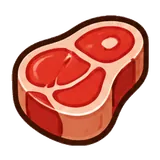
Ribeye steak is marbled and rich, good for grilling or pan-searing.
Ribeye is a steak cut from the rib section of the cow, famous for its marbling: fine threads of fat running through the meat, plus a rich cap and a fatty eye. It tastes deeply beefy, warm and earthy, with buttery richness and a smoky edge from a hard sear.
Cooks love ribeye because it is forgiving. All that internal fat melts as it cooks, basting the meat from within and keeping it juicy, so it is hard to make a bad one. A hot pan, salt, pepper and a little patience are all it needs.
Flavor profile
Aroma: rich, beefy
Good to know
Origin: United States
Forms: steak
Season: Available year-round; a grilling favourite in summer.
Nutrition: A good source of protein and iron; a rich, fatty cut, so portion sizes are worth keeping in mind.
Storage: Keep ribeye in the coldest part of the fridge and cook within 3–5 days of purchase, or by the use-by date. For a better crust, unwrap it the night before and leave it uncovered on a rack in the fridge so the surface dries. Ribeye freezes well for up to 6–12 months if vacuum sealed or tightly wrapped; thaw in the fridge overnight. Cooked steak keeps 3–4 days chilled. A slimy surface, sour smell or widespread grey-green tinge means it has spoiled.
How to use ribeye
Grill for Flavor
Season well and grill ribeye for a crust; high heat caramelizes the surface and boosts taste.
Pan-searing with Butter Basting
Sear in a hot pan and baste with butter to intensify flavors and keep it juicy.
The science of ribeye
- Marbling is intramuscular fat. As the steak heats, the fat softens and melts, lubricating the fibres and carrying fat-soluble aroma compounds, which is why ribeye tastes juicier than leaner cuts at the same doneness.
- The browned crust is the Maillard reaction, which creates hundreds of roasted, meaty aroma compounds. It needs a dry surface and high heat, so pat the steak dry and get the pan very hot before the steak goes in.
- Salting at least 40 minutes ahead (or right before cooking) works best. Salt first pulls moisture out, then the brine is reabsorbed, seasoning deeper and leaving a drier surface for searing.
- Myoglobin is the pigment that makes beef red. It changes from red to pink to grey-brown as it heats, which is why the colour of the middle tracks doneness, from rare through to well done.
- Resting for 5–10 minutes lets the temperature even out and the juices thicken slightly, so less runs out when you slice.
How to choose ribeye
Look for bright red meat with plenty of fine, evenly spread white marbling, not just a few thick seams. Choose steaks at least 2.5 cm (1 inch) thick so you can build a crust without overcooking the middle. A firm, creamy fat cap and no grey patches or sour smell are good signs.

Substitutes for ribeye
| Swap | Amount | What changes |
|---|---|---|
| Strip steak (sirloin) | 1:1 | Leaner and firmer with a tighter grain; still very beefy. |
| Tomahawk or bone-in rib steak | 1:1 by weight | The same muscle on the bone; cooks a little more slowly next to the bone. |
| Chuck eye steak | 1:1 | A cheaper cut from next to the ribeye with similar marbling and flavour. |
| Flat iron steak | 1:1 | Well marbled and tender at a lower price; best cooked no further than medium. |
What goes with ribeye
- Red Wine. Red wine's tannins grip the palate and ribeye's fat softens them, while its acid cleans up between bites.
- Potato. Starchy potato soaks up ribeye's fat and juices, the classic steakhouse side.
- Rosemary. Rosemary's piney resin stands up to ribeye's beefy fat when basted in butter.
- Garlic. Garlic adds pungency that cuts through ribeye's rich fat.
- Butter. Butter enriches the seared crust and softens ribeye’s mouthfeel.
- Onion. Onion's sweetness balances and offsets ribeye's meaty taste.
- Black pepper. Black pepper creates a contrasting crust to ribeye steak.
- Coffee. Coffee's roasted bitterness deepens the crust on a seared ribeye when used in a rub.
- Salt. Salt draws moisture out, then dissolves into ribeye and seasons it deeply.
- Shallot. Shallot's mild sweetness works in a pan sauce with ribeye's browned drippings.
Mistakes to avoid
- Overcooking dries it out.
- Skipping rest after cooking.
Ideas for tonight
- Grill with a garlic herbed butter.
- Serve with a chimichurri sauce.
- Pair with a red wine reduction sauce.
Ribeye: questions
What temperature should a ribeye be cooked to?
For rare aim for 49–52°C (120–125°F), medium-rare 54–57°C (130–135°F), and medium 60–63°C (140–145°F). Ribeye's fat renders best around medium-rare to medium. Food-safety guidance for whole beef steaks is 63°C (145°F) with a 3-minute rest.
What is the best way to cook ribeye?
A very hot cast-iron pan or grill gives the best crust. Sear 3–4 minutes per side for a 2.5 cm (1 inch) steak, then baste with butter, garlic and thyme for the last minute. Thick steaks do well with a reverse sear: low oven first, hot pan last.
Ribeye vs sirloin: what's the difference?
Ribeye comes from the rib and has much more marbling, so it is juicier and richer. Sirloin (strip) is leaner with a firmer bite and a cleaner beef taste.
Should I let ribeye come to room temperature before cooking?
It makes only a small difference. Drying the surface and salting ahead matter far more for a good crust. Do let the steak rest after cooking.
How long should ribeye rest?
About 5–10 minutes, loosely tented with foil. The temperature rises a couple of degrees while it rests, so pull it slightly before your target.
Why is my ribeye chewy?
It may be undercooked so the fat hasn't rendered, overcooked so the fibres tightened, or sliced with the grain. Cook to medium-rare or medium and slice across the grain.
What does ribeye taste like?
Ribeye steak is marbled and rich, good for grilling or pan-searing. Its strongest notes are warm, earthy, with an aroma that is rich, beefy.
What goes well with ribeye?
Ribeye pairs best with red wine, potato, rosemary, garlic, butter. Red wine's tannins grip the palate and ribeye's fat softens them, while its acid cleans up between bites.
How do you use ribeye in cooking?
Grill for Flavor: season well and grill ribeye for a crust; high heat caramelizes the surface and boosts taste.
How should you store ribeye?
Refrigerate and consume within a couple of days, or freeze for longer storage.
What is the most common mistake with ribeye?
Overcooking dries it out.
 Potato
 Red Wine
 Rosemary
 Butter
 Garlic
 Beef Chuck
 Black pepper
 Shallot
