
Sumac
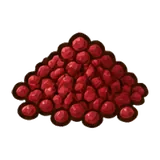
Sumac is a tart spice from dried berries, adding lemony flavor and color.
Sumac is a deep red-purple spice made from the dried, ground berries of a Middle Eastern shrub. It tastes bright and tangy like lemon, with a soft fruity sweetness, a little earthiness and none of citrus's sharp bitterness.
Cooks love it because it adds sourness without liquid. Sprinkled over hummus, salads, grilled meat or eggs, it brightens and colours the dish at once. It is a key part of za'atar and the star of fattoush and sumac onions.
Flavor profile
Aroma: tangy, citrusy
Good to know
Origin: Middle East
Forms: powder
Season: Available year-round dried; the berries are harvested in late summer and autumn.
Nutrition: Used in small sprinkles, so it adds flavour and colour rather than nutrition.
Storage: Keep sumac in an airtight jar in a cool, dark, dry cupboard, away from the stove. It holds its colour and tang for about 6 months to a year before slowly fading. When it turns brownish and smells of little, its sourness has dropped and it is time to replace it. You can freeze it in a sealed jar to stretch its life, letting it warm up before opening so moisture does not clump it.
How to use sumac
Seasoning Meats
Sprinkle sumac on meats before grilling; acidity balances fatty cuts.
Elevating Dressings
Mix into dressings; sumac's tartness sharpens vinaigrettes.
The science of sumac
- Sumac's sourness comes mostly from malic acid, the same acid that makes green apples tart, along with citric and other fruit acids. Because the acid is dry, it brightens food without thinning dressings or wetting crisp things.
- The berries' deep red colour comes from anthocyanins, water-soluble pigments. Soak sumac in a little water or rub it into sliced onions and the juice turns vivid pink-red.
- Sumac also contains tannins, which give a slight drying pucker. That astringency helps it cut through fatty lamb, oily fish and rich dips.
- Its fruity aroma compounds are delicate and fade with long, high heat. Add most of it at the end, or rub it on meat just before grilling, for the brightest taste.
How to choose sumac
Good sumac is a vibrant brick red or burgundy, slightly moist and clumpy, and smells fruity and tart. Dull brown sumac is old or cut with fillers. Some blends include salt, so check the label and taste before seasoning further.

Substitutes for sumac
| Swap | Amount | What changes |
|---|---|---|
| Lemon zest + a pinch of salt | 1 tsp zest per 1 tsp sumac | Gets the citrus brightness; zest is more aromatic and less tart. |
| Lemon juice | 1 tsp juice per 1 tsp sumac | Tangy but wet, so best in dressings and marinades rather than dry rubs. |
| Za'atar | 1:1 | Already contains sumac plus thyme and sesame; adds herbs as well as tang. |
| Amchur (dried mango powder) | use half as much | Very sour and fruity, though without the red colour. |
What goes with sumac
- Coriander Seed. Coriander's citrusy notes align with sumac's lemony tang.
- Yogurt. Yogurt's creamy texture mellows sumac's sharpness.
- Mint. Mint's cooling menthol contrasts sumac's acidity.
- Onion. Onion sugars balance sumac's tartness.
- Olive oil. Olive oil's smooth fat tempers sumac's sharpness.
- Chicken thigh. Sumac's tart, fruity acid cuts through chicken thigh's richness.
- Quinoa. Sumac's tang brightens quinoa's earthy flavor in salads.
- Radish. Sumac's tang matches radish's peppery bite in Middle Eastern salads.
- Rice. Sumac's tangy citrus lifts plain rice in Middle Eastern dishes.
- Salmon. Sumac's citrusy tang cuts salmon's rich oil.
Mistakes to avoid
- Sole seasoning lacks complexity.
- Adding late affects texture.
Ideas for tonight
- Sprinkle over hummus.
- Toss on grilled veggies.
- Use in a spice rub for chicken.
Sumac: questions
What does sumac taste like?
Sumac tastes tangy and lemony with a gentle fruity sweetness, but it is softer than lemon juice and not bitter. It also has a mild earthy note and a slight pucker from its tannins.
Is sumac poisonous?
Culinary sumac comes from Rhus coriaria and related red-berried species, and it is safe to eat. Poison sumac is a different plant with white berries and is not sold as a spice.
How do you use sumac?
Sprinkle it over hummus, labneh, eggs, salads and roasted vegetables, rub it on chicken or lamb before grilling, or toss thinly sliced red onion with sumac and salt for a quick tangy topping.
What is the difference between sumac and za'atar?
Sumac is a single spice made from dried berries. Za'atar is a blend that usually contains sumac along with dried thyme or oregano, toasted sesame seeds and salt.
Can I cook with sumac or only sprinkle it?
You can do both, but its fruity aroma fades with long heat. Use some in rubs or marinades and save a final pinch for the end to keep the colour and tang vivid.
What goes well with sumac?
Sumac pairs best with coriander seed, yogurt, mint, onion, olive oil. Coriander's citrusy notes align with sumac's lemony tang.
How do you use sumac in cooking?
Seasoning Meats: sprinkle sumac on meats before grilling; acidity balances fatty cuts.
How should you store sumac?
Store in a cool, dry place away from light.
What is the most common mistake with sumac?
Sole seasoning lacks complexity.
 Lemon
 Onion
 Yogurt
 Mint
 Chicken thigh
 Lamb Shoulder
 Olive oil
