Chicken Breast

Lean chicken breasts soak up marinades, perfect for flavorful meals.
Chicken breast is the lean, pale muscle from the front of the bird. It is mild, gently warm and a little earthy, with almost no fat of its own, which makes it a blank canvas for marinades, rubs and sauces.
That mildness is exactly why cooks love it: it takes on lemon, garlic, herbs and spice without a fight. The catch is that lean meat has no fat to hide behind, so a few degrees too far turns it dry and stringy. Get the heat right and it is tender, juicy and endlessly useful.
Flavor profile
Aroma: mild
Good to know
Origin: Global
Forms: fresh, frozen, sliced
Season: Available fresh and frozen year-round.
Nutrition: A lean source of protein with very little fat, especially once the skin is removed.
Storage: Keep raw chicken breast in the coldest part of the fridge, on the bottom shelf in a sealed container so juices can't drip onto other food, and cook it within 1–2 days of purchase. Cooked chicken keeps 3–4 days in the fridge. Raw breasts freeze well for up to 9 months; wrap them tightly or vacuum seal to avoid freezer burn, and freeze them flat so they thaw evenly. Thaw in the fridge overnight, never on the counter. A sticky film, sour or eggy smell, or greyish tinge means it has gone off.
How to use chicken breast
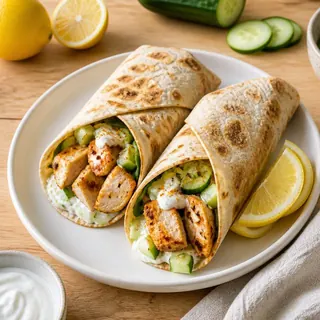
Grill for Juiciness
Grilling sparks Maillard reactions, caramelizing proteins and sugars for juicy flavor.
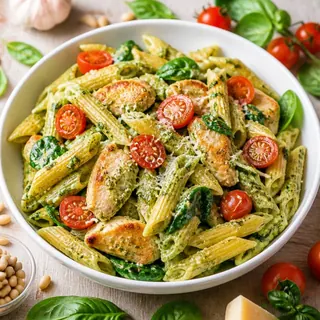
Stuffed Varieties
Stuffing adds moisture; protein binding helps keep it, ensuring juiciness.
The science of chicken breast
- Breast meat is mostly fast-twitch muscle with little fat or connective tissue, so it cooks quickly and has nothing to melt into gelatin. That is why it rewards fast, precise cooking rather than long braising.
- As the meat heats, proteins such as myosin and then actin denature and contract, squeezing out water. Past about 70°C (158°F) the fibres tighten hard and juices pour out, which is where dry chicken comes from.
- Salt (as a brine or dry rub) dissolves some of the muscle proteins and changes their charge, so they hold on to more water during cooking. Even 30 minutes of salting makes a noticeable difference.
- The golden crust is the Maillard reaction between amino acids and sugars, which only gets going once the surface is dry and hot. Pat the breast dry before searing or the pan will steam it instead.
- Acidic or yogurt marinades loosen the surface proteins. Yogurt is gentler than straight citrus, which can turn the outside chalky if left for many hours.
How to choose chicken breast
Look for plump, evenly pink breasts with no grey patches, sliminess or sour smell. Very large breasts can have a tough, stringy texture known as woody breast, so medium-sized ones often eat better. Air-chilled chicken tends to brown more easily because it carries less added water.

Substitutes for chicken breast
| Swap | Amount | What changes |
|---|---|---|
| Boneless chicken thigh | 1:1 | Richer and far more forgiving; cook a few minutes longer and to a higher temperature for the best texture. |
| Turkey breast cutlets | 1:1 | Very similar lean, mild meat; slightly firmer, so slice thin or pound flat. |
| Pork tenderloin | 1:1 | Lean and mild, cooks quickly, and is safe at a lower temperature of 63°C (145°F) with a rest. |
| Extra-firm tofu | 1:1 by weight | A vegetarian swap that soaks up the same marinades; press it first so it browns. |
What goes with chicken breast
- Cashew. Cashew's buttery crunch contrasts with lean, tender stir-fried chicken.
- Lemon. Lemon acid breaks down protein bonds, tenderizing chicken.
- Garlic. Garlic's allicin infuses chicken with savory complexity.
- Thyme. Thyme's earthy notes weave into the mild flavor of chicken breast.
- Basil. Basil's aromatic sweetness lifts the otherwise bland chicken breast.
- Salt. Salting or brining helps chicken breast hold moisture and season through.
- White Wine. White wine's acid deglazes the pan and brightens chicken breast sauces.
- Yogurt. Yogurt's lactic acid and calcium gently tenderize lean chicken breast in a marinade.
- Black pepper. Piperine in black pepper adds heat to bland chicken.
Mistakes to avoid
- Overcooking pushes out moisture by denaturing proteins.
- Skipping seasoning loses salt's osmosis benefit.
Ideas for tonight
- Grill with lemon and herbs.
- Slice over a green salad.
- Stuff with spinach and cheese.
Chicken Breast: questions
What temperature should chicken breast be cooked to?
Cook chicken breast to an internal temperature of 74°C (165°F), measured at the thickest part. Many cooks pull it from the heat a couple of degrees early because the temperature keeps climbing as it rests. An instant-read thermometer is the single best tool for juicy chicken.
Why is my chicken breast always dry?
Almost always it is overcooked, or one end is thin and the other thick. Pound the breast to an even thickness, salt it ahead, cook it hot and fast, and take it off as soon as it hits temperature. Resting for 5 minutes also keeps juices in the meat rather than on the board.
How long should I bake chicken breast?
At 200°C (400°F), an average boneless breast takes about 18–25 minutes, depending on thickness. Check with a thermometer rather than relying on time alone.
Should you brine chicken breast?
Yes, it helps a lot with lean meat. A simple brine of about 1 tablespoon of salt per 500 ml of water for 30 minutes to 2 hours, or a dry salting a few hours ahead, seasons the meat through and helps it stay moist.
Can you cook chicken breast from frozen?
You can, though it takes about 50% longer and the outside may overcook before the middle is done. Bake or simmer it rather than searing, and always confirm it reaches 74°C (165°F) inside.
How long can you marinate chicken breast?
Yogurt or oil-based marinades work well from 1 to 12 hours. Very acidic marinades with lots of lemon or vinegar are best kept under 2 hours, or the surface can turn mushy and chalky.
Is it safe if chicken breast is a little pink inside?
Colour is not a reliable test; temperature is. Chicken can stay slightly pink at a safe temperature, and it can look white before it is fully safe, so use a thermometer.
What does chicken breast taste like?
Lean chicken breasts soak up marinades, perfect for flavorful meals., with an aroma that is mild.
What goes well with chicken breast?
Chicken Breast pairs best with cashew, lemon, garlic, thyme, basil. Cashew's buttery crunch contrasts with lean, tender stir-fried chicken.
How do you use chicken breast in cooking?
Grill for Juiciness: grilling sparks Maillard reactions, caramelizing proteins and sugars for juicy flavor.
How should you store chicken breast?
Refrigerate promptly and consume within a few days, or freeze for longer storage.
What is the most common mistake with chicken breast?
Overcooking pushes out moisture by denaturing proteins.
 Chicken thigh
 Turkey
 Lemon
 Garlic
 Thyme
 Yogurt
 Cashew
 Basil