
Lemongrass
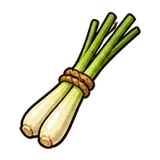
Lemongrass is a fragrant herb with citrus flavor, common in Asian dishes.
Lemongrass is a tall, woody tropical grass with a pale, bulbous base. Bruise or slice it and you get a clean, lemony perfume with floral and gently gingery notes, all citrus aroma and almost none of the sourness of an actual lemon.
It is a cornerstone of Thai, Vietnamese, Malaysian and Indonesian cooking. Cooks love it because it adds brightness that survives long simmering, lifting rich coconut curries, fragrant broths like tom yum and tom kha, grilled meat marinades and even teas.
Flavor profile
Aroma: citrus, lemony
Good to know
Origin: Southeast Asia
Forms: whole stalks, paste, powder
Season: Available year-round in most supermarkets and Asian grocers; fresh, locally grown stalks peak in late summer.
Nutrition: Used in small amounts for fragrance, so it contributes flavour more than nutrition.
Storage: Wrap fresh stalks loosely in a damp paper towel and keep them in a bag in the fridge for 2–3 weeks. For longer storage, trim and slice or chop them and freeze for up to 6 months; frozen lemongrass grates easily straight from the freezer. Dried lemongrass and powder keep in an airtight jar in a cool, dry cupboard for about a year. Stalks that are brown, mouldy or smell of nothing are past their best.
How to use lemongrass
Infusing Soups
Simmer lemongrass stalks in broths for a fragrant citrus note. Remove before serving.
Aromatic Marinades
Pound lemongrass into pastes; fibers release essential oils that permeate meats.
The science of lemongrass
- Most of lemongrass's lemon aroma comes from citral, a mix of two aldehydes (geranial and neral) that is also found in lemon peel. That is why it smells lemony without being acidic.
- The aromatic oils sit inside tough, fibrous cells. Bruising, pounding or finely slicing ruptures them, releasing far more fragrance into a broth or paste.
- Citral and its partners dissolve better in fat than water, so lemongrass shines in coconut milk curries and oil-based marinades.
- Its fibres are made of cellulose that doesn't soften with cooking, so whole pieces stay woody. Either pound it to a fine paste or simmer large pieces and remove them before serving.
How to choose lemongrass
Choose firm, heavy stalks with tight, pale yellow-green bases and fresh-looking leaves. Avoid stalks that are dry, brown, bendy or cracked at the base. A good stalk smells strongly lemony when you scratch it with a fingernail.

Substitutes for lemongrass
| Swap | Amount | What changes |
|---|---|---|
| Lemon zest | zest of 1 lemon per 2 stalks | Gets the citrus aroma; add a slice of ginger for warmth. |
| Lemongrass paste | 1 tbsp per stalk | Convenient and dissolves fully into curries. |
| Lime zest + lime leaves | 1 tsp zest + 2 leaves per stalk | A Thai-style swap with a sharper, greener note. |
| Dried lemongrass | 1 tsp dried per stalk | Softer aroma; best for simmering in broths and tea. |
What goes with lemongrass
- Coconut Milk. Coconut milk mellows lemongrass with its creamy sweetness.
- Ginger. Ginger's zingy heat contrasts lemongrass's citrus aroma.
- Lime. Lime adds a sharper acidity to lemongrass's citrus notes.
- Cilantro. Cilantro's bright notes amplify lemongrass's citrus flavor.
- Chicken thigh. Lemongrass's citrusy notes lift the richness of grilled chicken thigh.
- Fish Sauce. Lemongrass's citrus oils brighten fish sauce's deep salty umami.
- Mushroom. Lemongrass's citrus oils lighten mushroom's earthy depth in soups.
- Pork Shoulder. Lemongrass's citral cuts pork's richness in marinades and grills.
- Shrimp. Lemongrass's citral brightens shrimp's sweet flavor in soups.
- Scallion. Scallion adds fresh onion bite to lemongrass's citrusy perfume.
Mistakes to avoid
- Raw stalks are tough.
- Remove too early, flavors stay trapped.
Ideas for tonight
- Infuse into a Thai curry.
- Marinate chicken for grilling.
- Brew in tea for refreshment.
Lemongrass: questions
What does lemongrass taste like?
Like lemon peel with floral and slightly gingery, minty notes. It tastes bright and fresh rather than sour, because its flavour comes from aromatic oils, not acid.
How do you prepare lemongrass?
Trim the root and the dry, green tops, then peel off the tough outer layers. For broths, cut it into lengths and bruise with the back of a knife. For pastes and stir-fries, finely slice the tender lower third.
Can you eat lemongrass?
Only the tender inner base, very finely chopped or pounded into a paste. Larger pieces are too fibrous to chew, so simmer them for flavour and fish them out before serving.
Can you freeze lemongrass?
Yes. Freeze whole trimmed stalks or chopped pieces for up to 6 months. They lose a little crunch but keep their fragrance well.
What can I use instead of lemongrass?
Lemon zest with a little grated ginger is the easiest swap. Lime zest plus a couple of lime leaves gets you closer to a Thai flavour.
Is lemongrass the same as citronella?
They are related grasses, but not the same. Culinary lemongrass is the one used in cooking; citronella grass is mainly grown for its oil and is not used as food.
What goes well with lemongrass?
Lemongrass pairs best with coconut milk, ginger, lime, cilantro, chicken thigh. Coconut milk mellows lemongrass with its creamy sweetness.
How do you use lemongrass in cooking?
Infusing Soups: simmer lemongrass stalks in broths for a fragrant citrus note. Remove before serving.
How should you store lemongrass?
Refrigerate fresh stalks; dried forms can be stored in a cool, dry place.
What is the most common mistake with lemongrass?
Raw stalks are tough.
 Coconut Milk
 Fish Sauce
 Lime
 Ginger
 Cilantro
 Shrimp
 Chicken thigh
