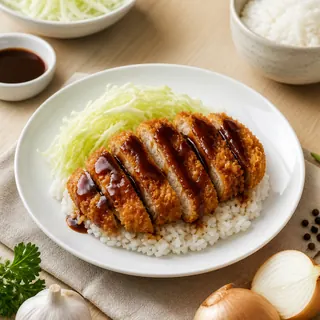
Crispy Sweet and Sour Pork
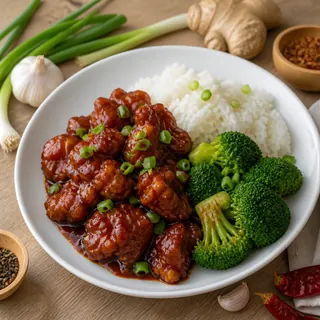
Sweet and sour pork is crisp, golden bites of pork tossed in a glossy, tangy sauce with pineapple and peppers. It is a takeout classic you can make at home with a bottle of oil and a few pantry sauces.
- 40 minTotal time
- 4Servings
- 520kcal / serving
- 29 gProtein
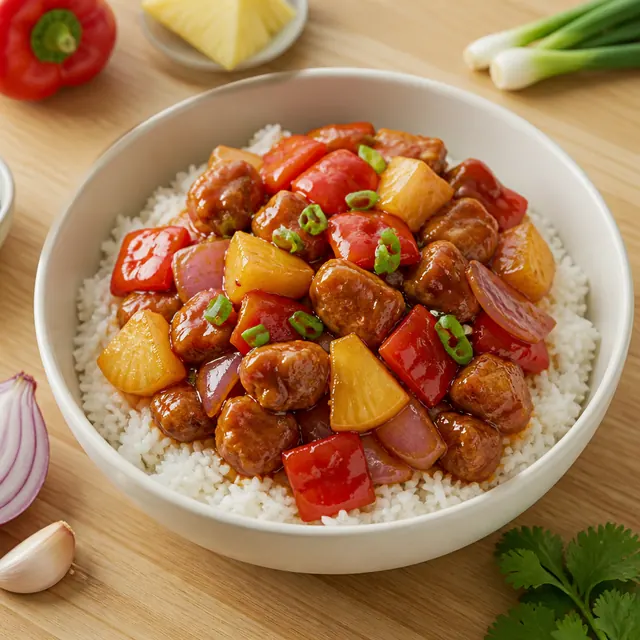

The secret is frying the pork twice for a crust that stays crunchy, and adding the sauce at the last second. Serve it right away with steamed rice.
The science: why this works
- A thin coating of egg white and cornstarch forms a crisp shell that seals in the pork's juices.
- Frying twice, first to cook the pork and then to crisp it, drives out extra moisture and keeps the crust crunchy in the sauce.
- The sauce balances sugar, vinegar and ketchup, so it is sweet and tangy rather than just sweet.
- Stir-frying the peppers briefly over high heat keeps them bright and crisp.
- Tossing the pork in the sauce at the last second keeps the crust from turning soggy.
Double frying
The first fry cooks the pork and sets the crust. During the rest, moisture from inside moves outward. The second fry in hotter oil drives off that moisture, tightening and crisping the crust so it survives a coating of sauce.
Learn: Why frying oil must stay hot →Balancing sweet and sour
Sugar and vinegar work in opposition. Acid cuts the perception of sweetness, while sugar softens the sharpness of the vinegar. A good sauce sits where neither dominates, and tasting before thickening lets you adjust it.
Learn: Balancing salt, sweet, sour →Crispy Sweet and Sour Pork
40 min · 4 servings · Chinese · Main course
Ingredients
Makes 4 servings
- 500 gpork loin or tenderloin, cut into 1-inch (2.5 cm) cubes
- 1 tbspsoy sauce
- 1egg white
- 120 mlcornstarch, divided
- ¼ tspsalt
- 250 mlneutral oil, for frying
- 1red bell pepper, cut into 1-inch (2.5 cm) pieces
- ½onion, cut into wedges
- 240 mlpineapple chunks (about 160 g)
- 60 mlketchup
- 3 tbsprice vinegar
- 3 tbspsugar
- 60 mlpineapple juice
- 1 tbspsoy sauce, for the sauce
Method

Tips for the best result
- Make sure the pork is dry-ish and well coated; too much liquid makes the crust gummy.
- Keep the oil temperature steady by frying in two batches.
- Have the sauce and the vegetables ready before you do the second fry.
Mistakes to avoid
- Saucing the pork too early, which turns the crust soggy; toss at the very end.
- Frying cold pork in cool oil, which makes it greasy; check the oil temperature.
- Overcooking the peppers, which makes the dish limp; give them 2 minutes in a very hot pan.
Variations and swaps
- Use boneless chicken thighs, cooked to 165°F (74°C), for sweet and sour chicken.
- Add chunks of cucumber or carrot for color.
- Add a spoon of chili garlic sauce for a spicy twist.
- Swap rice vinegar for white vinegar, using 2 tablespoons.
- Swap pineapple juice for orange juice for a milder sweetness.
- Swap pork loin for pork shoulder, cut into smaller pieces and fried 1 to 2 minutes longer.
Storing and reheating
Store the sauce and the fried pork separately in the fridge within 2 hours and eat within 3 days. Reheat the pork on a rack at 400°F (200°C) for 8 minutes, then toss with warm sauce to 165°F (74°C).
Crispy Sweet and Sour Pork: questions
How do I keep sweet and sour pork crispy?
Fry the pork twice and toss it with the sauce just before serving. The double fry removes more moisture so the crust stays crunchy for several minutes.
What is in sweet and sour sauce?
A classic version has ketchup, vinegar, sugar, soy sauce and pineapple juice, thickened with cornstarch. The balance of sweet and sour is adjusted to taste.
Can I bake sweet and sour pork instead of frying?
Yes. Coat the pork in cornstarch, toss with oil, and bake on a rack at 425°F (220°C) for 20 minutes, flipping once. It will be crunchy but less shatteringly crisp.
What cut of pork is best?
Pork loin or tenderloin cut into cubes works well. Pork shoulder is juicier but needs a little longer in the fryer.
What temperature should the pork reach?
The USDA safe temperature for pork is 145°F (63°C), with a rest. With 1-inch (2.5 cm) cubes, 3 to 4 minutes in 350°F (175°C) oil gets there.