Creamy Mashed Potatoes
Creamy mashed potatoes are soft, buttery and smooth without being gluey. A few small steps, like starting in cold water and adding warm dairy, make the difference.
- 40 minTotal time
- 6Servings
- 240kcal / serving
- 5 gProtein
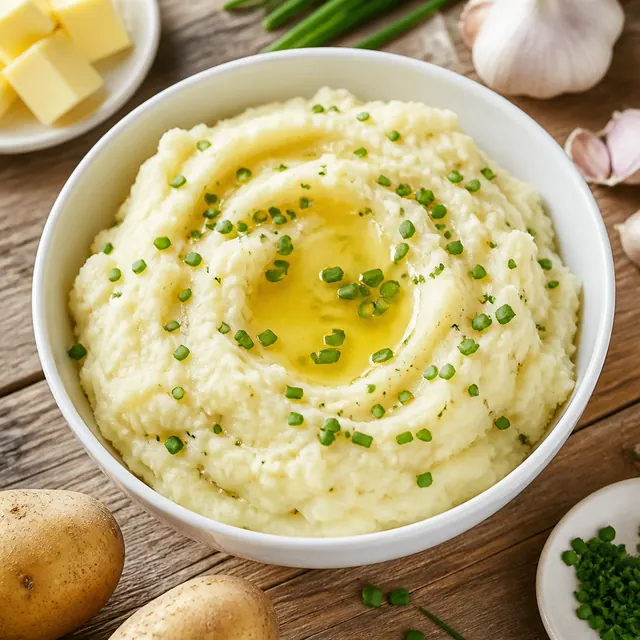

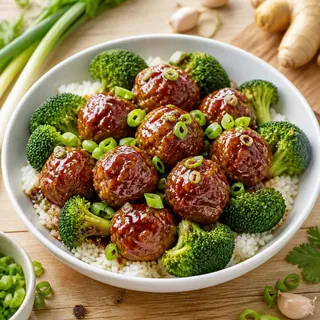
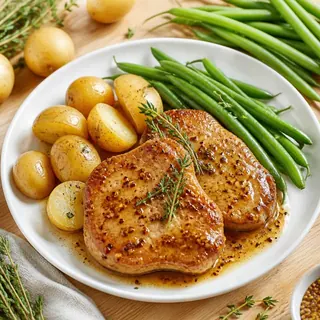
They are a classic with roast chicken, meatballs, pork chops or gravy, and they are simple enough for a weeknight.
The science: why this works
- Yukon Gold potatoes have medium starch, so they mash creamy and hold their flavor without turning to paste.
- Starting in cold water lets the heat reach the center as the outside cooks, so the chunks soften evenly.
- Steaming the drained potatoes dry means the butter and cream carry flavor instead of leftover water.
- Warm milk and cream blend in smoothly, while cold dairy cools the potatoes and makes them stiff.
- Mashing gently with a masher or ricer keeps the starch granules whole; blending breaks them open and makes the mash gluey.
Starch and gluey mash
Potato cells hold starch granules that swell as they cook. Gentle mashing keeps most cells intact. Aggressive mixing or a blender bursts them, releasing sticky starch that turns the mash gluey and rubbery. This is why a ricer beats a food processor every time, and why gentle hands give a fluffy mash.
Learn: Waxy and floury potatoes →Fat makes it creamy
Butter and cream coat starch and water droplets, so the mash feels smooth and rich on the tongue. The fat also carries flavor compounds, which is why the mash tastes fuller after the butter melts in.
Learn: Why fat feels rich →Season in layers
Salting the water seasons the potato from the inside, while salting at the end fixes the surface. Starches taste bland without salt, so taste before you serve. This is why a ricer beats a food processor every time, and why gentle hands give a fluffy mash.
Learn: Season in layers →Creamy Mashed Potatoes
40 min · 6 servings · American · Side dish
Ingredients
Makes 6 servings
- 1.2 kgkg Yukon Gold potatoes
- 2 tspsalt, for the boiling water
- 85 gunsalted butter, cubed
- 120 mlwhole milk, warmed
- 60 mlheavy cream, warmed
- 1 tspkosher salt, to taste
- ¼ tspblack pepper
- 1 tbspchives, chopped
Method

Tips for the best result
- Use a potato ricer for the smoothest mash if you have one.
- Warm the milk and cream first so they absorb without cooling the potatoes.
- Keep a little of the cooking water; a splash loosens the mash if it gets too thick.
Mistakes to avoid
- Using a blender or food processor, which turns the mash gluey; use a masher or ricer.
- Adding cold milk, which makes the mash cool and lumpy; warm it first.
- Under-salting, which leaves it flat even with lots of butter; taste and add salt a pinch at a time.
Variations and swaps
- Fold in 4 roasted garlic cloves, mashed, for roasted garlic mashed potatoes.
- Stir in 60 g sour cream and 30 g grated Parmesan for a tangy cheesy mash.
- Swap the chives for 2 tbsp browned butter and a pinch of nutmeg.
- Swap Yukon Golds for russets for a fluffier, lighter mash; it will taste a little less buttery.
- Swap the heavy cream for extra whole milk for a lighter version with less richness.
- Swap the butter for olive oil and use oat milk for a dairy-free mash.
Storing and reheating
Cool and refrigerate within 2 hours; eat within 3 to 4 days. Reheat in a saucepan over low heat with a splash of milk, stirring until hot throughout (165°F/74°C).
Creamy Mashed Potatoes: questions
What is the best potato for mashed potatoes?
Yukon Gold potatoes are the best all-round choice because they are creamy and buttery in flavor. Russets also work and give a fluffier, lighter texture.
How do you keep mashed potatoes from getting gluey?
Mash gently with a masher or ricer and never use a blender or food processor. Overworking the potatoes releases sticky starch that makes them gluey.
Should I boil potatoes in cold or hot water?
Start in cold water. The potatoes heat up gradually, so the center cooks at the same pace as the outside instead of turning mushy on the edges.
How do I make mashed potatoes ahead of time?
Make them up to 2 days ahead, refrigerate, then reheat in a saucepan with a splash of milk. You can also keep them warm in a slow cooker on low for up to 2 hours.
Can you freeze mashed potatoes?
Yes. Freeze them in a sealed container for up to 2 months. Thaw overnight in the fridge and reheat with a splash of milk, stirring well.