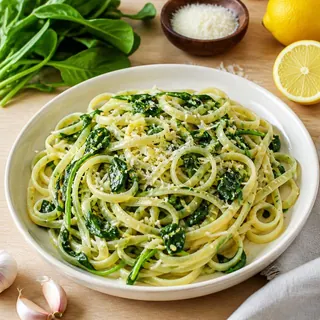
Add acid at the end

Rich food coats your tongue and tastes heavy. A squeeze of lemon or a splash of vinegar cuts through that coating and makes the other flavors easier to notice. Add a little, stir and taste.
Fix flat, heavy or salty food
If a dish tastes flat or heavy, add acid half a teaspoon at a time. It lifts rich food and makes slightly oversalted food taste more balanced. Stir, wait ten seconds, taste and repeat.
Why sour tastes refreshing
Sour taste makes your mouth water, and the saliva rinses richness off your tongue so the next bite tastes fresh. This is why lemon works on fried fish, creamy pasta and fatty meat.

Test yourself
Questions from the interactive lesson, with the answer and the why.
Your creamy soup tastes heavy and flat. What does a squeeze of lemon at the end do?
Cuts the richness and sharpens the flavor. Sour acid cuts through fat and makes the other flavors easier to notice.
True or false: Lemon juice stirred in at the start of a long simmer keeps its fresh aroma.
False. Lemon's fresh aroma compounds are volatile and fade during long cooking.
What went wrong? You stir lemon juice into a stew at the start of a 2-hour simmer. At serving, it tastes dull and has no fresh lemon smell.
The lemon went in too early. Hours of heat drive off lemon's aroma. Add it at the end.
Fill the blank: Lemon juice cuts through a dish that feels heavy from too much ___.
Lemon juice cuts through a dish that feels heavy from too much fat. Acid cuts the coating feel of fat, so rich food tastes lighter.
Why do cooks add lemon juice at the end instead of the start?
Its fresh aroma would cook away. Lemon's aroma compounds are volatile and fade in long cooking.
The squeeze-of-lemon test
One squeeze, a surprisingly big change.
Do the 5-minute experiment