Sear with a dry, hot pan

Water can't get hotter than 100°C, but browning needs 140°C or more. Wet food holds the pan near boiling and steams. Pat food dry, and heat the pan until the oil shimmers before adding it.
Leave the food alone
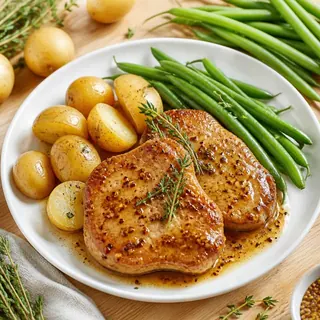
Leave food untouched for 2 to 4 minutes before flipping. Once a crust forms, meat lets go of the pan on its own. If it sticks, it isn't ready. Flipping early tears the crust off.
What browning adds
Above about 140°C, sugars and amino acids on the surface react into hundreds of savory flavor compounds raw meat doesn't have. Boiled chicken gets none of them, because water stops at 100°C.

Test yourself
Questions from the interactive lesson, with the answer and the why.
You put eight chicken thighs in a pan that fits four. What happens?
They steam in their own juices. Too much food releases water faster than it evaporates, so the food steams.
True or false: If seared meat sticks when you try to lift it, give it another minute.
True. A finished crust releases from the pan. Tugging early tears it off.
What went wrong? You pat chicken dry and heat the pan well, but flip the chicken every 20 seconds. It never forms a crust.
They flipped it too often. The surface never stays on hot metal long enough to build a crust.
Fill the blank: Steam cannot brown food, so the surface water must ___ first.
Steam cannot brown food, so the surface water must evaporate first. Only after the water boils off can the surface get hot enough to brown.
Why does seared chicken taste more roasty than boiled chicken?
Its surface passed 140°C. A dry hot pan passes 140°C, where browning flavors form. Boiling stops at 100°C.